
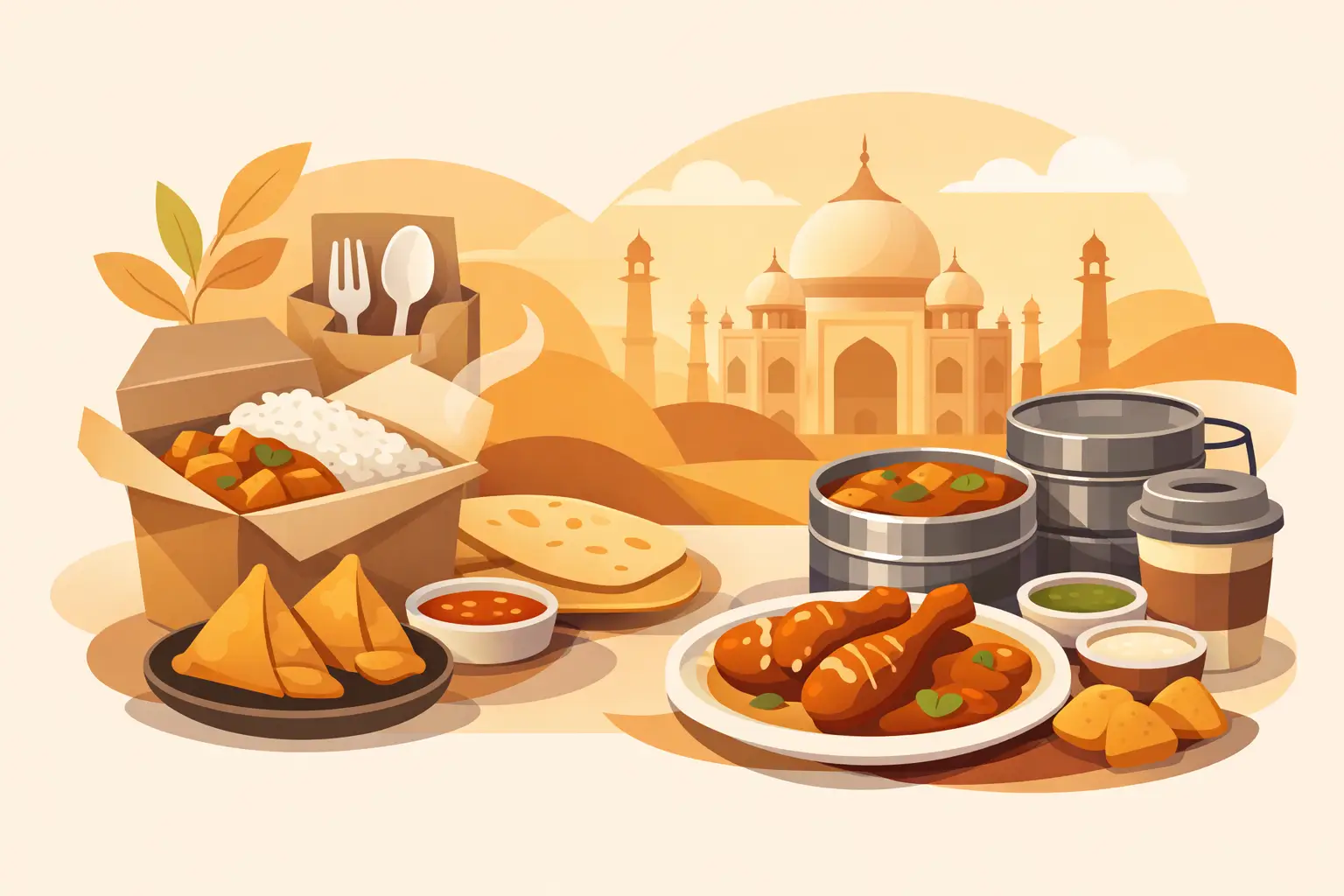
Some evenings call for a meal you can trust. When everyone is hungry, time is short, and tastes around the table are different, an Indian takeaway menu should make the choice easier, not harder. The best ones do more than list dishes – they give you dependable options, familiar favourites, and enough variety that everyone can order with confidence.
For many households, takeaway is not just about convenience. It is about knowing dinner will arrive full of flavour, freshly prepared, and suited to the people eating it. That matters whether you are picking up a quick weekday meal, feeding the family on a Friday night, or sorting food for a group gathering without fuss.
What makes an Indian takeaway menu worth ordering from
A strong takeaway menu starts with balance. You want the classics people return to again and again, but you also want enough range to suit different appetites and dietary needs. A good Indian menu usually gives equal care to curries, rice dishes, tandoori items, breads and sides, rather than relying on one category to do all the work.
Consistency matters just as much as choice. A takeaway dish should travel well, hold its flavour, and arrive as satisfying as it would be served at the table. That is why well-established restaurants tend to earn repeat custom – people know what they are getting, and they know it will be prepared properly each time.
There is also the question of clarity. A menu should help you make decisions quickly. Clear dish names, familiar categories and sensible portion options can make all the difference when ordering for two people one night and eight the next.
The core dishes people look for on an Indian takeaway menu
Most customers begin with the curries, and for good reason. They are the heart of many Indian meals and often the first thing people think of when ordering takeaway. Butter chicken remains a regular favourite because it is mild, rich and easy to share. Korma offers a gentler, creamier option, while dishes such as vindaloo and madras suit anyone after more heat and depth.
Then there are the dishes that sit comfortably in the middle – enough spice to feel lively, but not so much that they overpower the meal. Rogan josh, mango chicken and saag-based curries often fall into that category. These are useful choices when a group wants variety without pushing too far in one direction.
Biryani deserves its own place. A well-made biryani is not simply rice on the side. It is a complete dish, layered with spice, fragrance and your choice of meat or vegetables. For some customers, it is the main event. For others, it works as part of a larger order where everyone helps themselves.
Tandoori dishes are another sign of a menu with range. Chicken tikka, seekh kebabs and other oven-cooked items bring a different texture to the table. They are particularly useful if someone wants something lighter than a curry, or if you are building a mixed spread rather than ordering separate mains for each person.
Why breads and sides matter more than people think
A takeaway order often comes together or falls apart on the extras. Naan, roti and paratha are not afterthoughts. They round out the meal, help balance richer sauces, and make sharing easier. Garlic naan remains a popular choice because it is familiar and generous, but plain naan and roti have their place too, especially if you want something simpler alongside stronger curries.
Rice is much the same. Steamed rice does the practical job well, while saffron or coconut rice can add another layer of flavour. The right option depends on what else you are ordering. A creamy curry might pair best with plain rice, while drier tandoori dishes can benefit from something more fragrant.
Sides also help a menu feel complete. Samosas, onion bhajis, pakoras and papadums give the table variety and are often ideal for sharing while the mains are unpacked. Raita, pickles and chutneys may seem small, but they can sharpen, cool or brighten a meal in ways that make the whole order feel more considered.
Vegetarian and vegan choices should feel like real options
A dependable Indian takeaway menu should not treat vegetarian or vegan dishes as secondary. Indian cooking has a long tradition of vegetable and pulse-based meals that are full of character in their own right. That is good news for mixed groups, because it means plant-based diners can order proper mains rather than piecing together side dishes.
Daal, chana masala, mixed vegetable curry, aloo gobi and saag dishes all offer substance as well as flavour. Paneer-based meals are another popular choice for vegetarians who want something rich and satisfying. Vegan diners often look for clearly marked options, especially when ordering online, because certainty matters as much as variety.
This is one area where a menu can quietly show its quality. If the plant-based dishes are clearly described, thoughtfully prepared and easy to find, customers notice. It tells them the kitchen understands different needs and takes them seriously.
Ordering for one, two or a whole table
Not every takeaway order needs the same approach. A solo dinner after work is usually about comfort and ease. One curry, one rice and perhaps a naan is often enough. For couples, the order tends to work better with contrast – perhaps one mild dish, one with a bit more spice, plus shared rice and bread.
For families or groups, variety becomes more useful than quantity alone. It is often better to order a mix of curries, one rice dish per two or three people, a few breads and a couple of starters to share. That creates a meal with enough choice for everyone without leaving the table overloaded with too many similar dishes.
Children and milder eaters usually do best with gentler flavours such as butter chicken, korma or plain rice with naan. People who like more heat can add a spicier curry or a hotter side to balance the order. The main thing is not to chase maximum spice for its own sake. A good meal works when everyone enjoys it, not when one dish dominates the table.
Convenience matters, but so does trust
Takeaway has become part of everyday life because it fits around busy schedules. Online ordering, local pickup and straightforward service all make the process easier. Still, convenience alone is not enough. Customers come back when the food is reliable, the portions are sensible, and the menu feels familiar in the best way.
That is where established local restaurants tend to stand apart. Years of serving neighbourhood customers usually lead to a better sense of what people actually want from takeaway. They know the dishes families return for, the combinations groups prefer, and the value of preparing food with care even on the busiest nights. Indian Brothers has built that trust over time by focusing on authentic cooking, consistent quality and practical ways for customers to order.
There is also a simple point about takeaway that is easy to overlook – it should travel well. Dishes need to hold their heat and texture from kitchen to home. Curries and rice often do this naturally, while freshly baked breads and tandoori items add freshness and contrast once unpacked. A good menu is one that still feels complete by the time you sit down to eat.
Choosing well from an Indian takeaway menu
The easiest way to order well is to think about balance. Pick one familiar favourite, one dish that adds contrast, and the supporting rice or bread that makes the meal feel complete. If you are ordering for a group, leave room for different spice levels and dietary preferences rather than assuming everyone wants the same thing.
It also helps to order from a place with a menu that feels settled and confident. You do not need dozens of confusing options. You need dishes prepared properly, ingredients that taste fresh, and enough range that everyone can find something they genuinely want to eat.
A good takeaway meal should feel reassuring from the moment you order it to the moment it reaches the table. When the menu is built on traditional dishes, honest preparation and reliable service, dinner becomes one less thing to worry about – and something everyone can look forward to.