
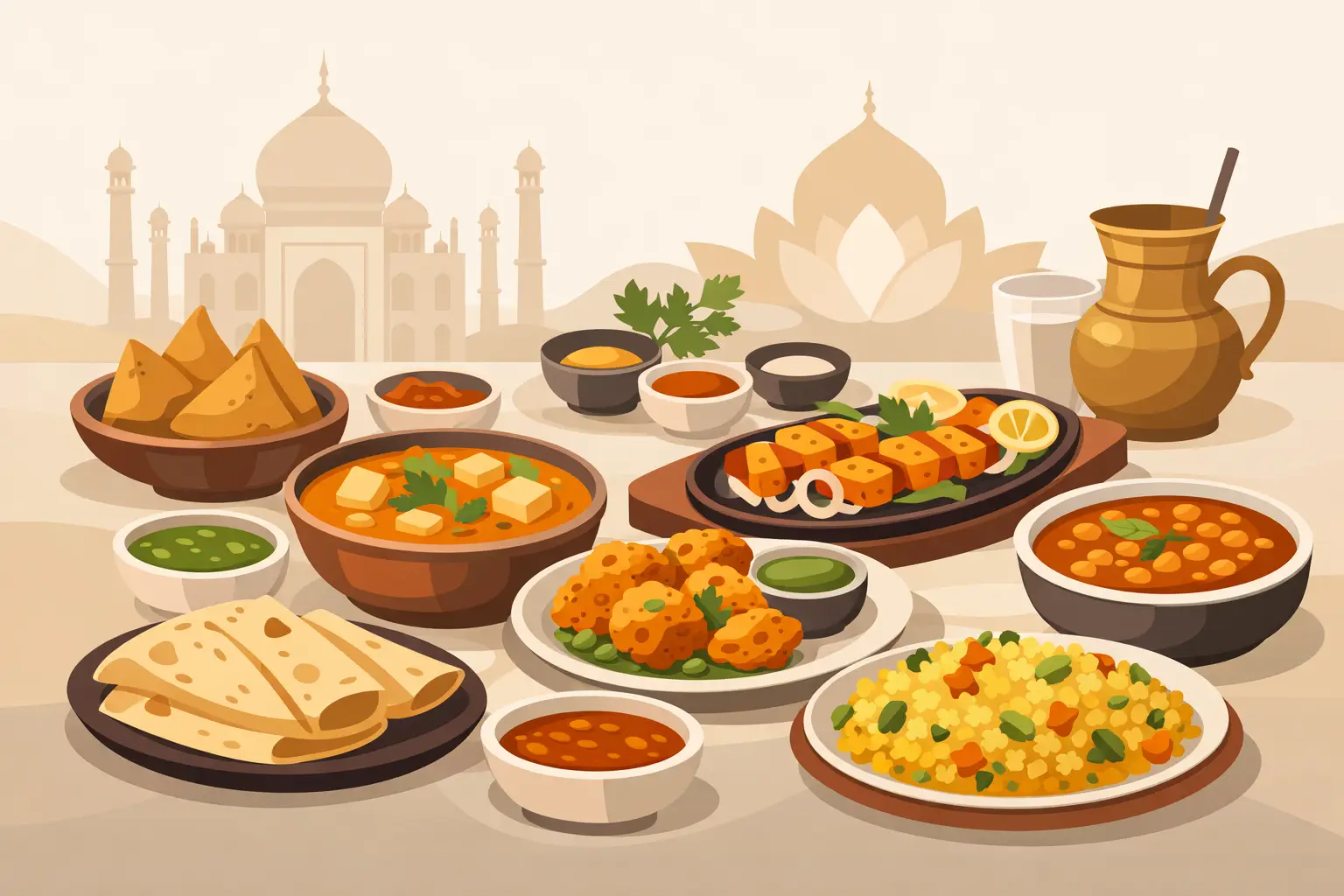
Some meals solve the whole table at once. When one person wants something mild, another wants plenty of spice, and someone else needs a meat-free option that still feels substantial, vegetarian Indian dishes often make the choice easier.
That is one reason they remain such a dependable part of Indian dining. They are not an afterthought added to fill a menu. Many of the best-known Indian meals are built around vegetables, lentils, paneer and chickpeas, cooked slowly with spices that bring depth rather than heat alone. For families, work dinners and group occasions, that makes them a practical and satisfying choice.
Why vegetarian Indian dishes work so well
Good vegetarian food needs more than the absence of meat. It needs texture, balance and enough flavour to feel complete. Indian cooking does this especially well because the foundations are already strong – onions cooked down patiently, garlic and ginger for warmth, tomatoes for richness, and spice blends that give each dish its own character.
There is also plenty of range. Some dishes are rich and creamy, some are lighter and tomato-based, and others lean on earthy lentils or greens. That variety matters when you are ordering for a group or planning catering. You can mix milder options with fuller, spicier dishes and still keep the meal balanced.
Another benefit is flexibility. Vegetarian dishes sit comfortably alongside naan, rice, biryani and shared starters, so they are easy to build into a larger order. They work just as well for a quiet dinner at home as they do for a table booking with family.
10 vegetarian Indian dishes worth knowing
Palak Paneer
Palak paneer is one of the most reliable choices on any Indian menu. Spinach is cooked down with spices into a smooth, savoury sauce, then finished with cubes of paneer that hold their shape and bring a gentle, milky flavour.
It is a good option for anyone who wants something comforting without too much richness. The spinach gives it an earthy depth, while the paneer makes it filling enough to stand as a main dish. It pairs especially well with naan or steamed rice.
Paneer Butter Masala
If you prefer a softer, creamier curry, paneer butter masala is a strong choice. The sauce is tomato-based with butter, cream and spices, giving it a rounded flavour that feels familiar even to people who are newer to Indian food.
This is often the dish that wins over mixed groups because it is approachable without being bland. The paneer adds substance, and the sauce is ideal for scooping up with warm bread. For family meals, it is one of the easiest dishes to order with confidence.
Chana Masala
Chana masala proves that simple ingredients can carry plenty of flavour. Chickpeas are simmered with onion, tomato and spices until the sauce thickens and the chickpeas absorb the seasoning.
The result is hearty, satisfying and a little brighter than cream-based curries. It suits both lunch and dinner, and it travels well for takeaway. If you want a dish that feels wholesome but still full of character, this is a dependable place to start.
Dal Tadka
Dal tadka is everyday comfort food for good reason. Lentils are cooked until soft, then finished with a tempering of spices, often including cumin, garlic and chilli. That final step adds fragrance and depth without making the dish overly complicated.
What makes dal so useful is its versatility. It can be the centre of a simple meal with rice, or it can support a larger spread with curries and breads. For people who want something warming and grounded, dal tadka is hard to beat.
Dal Makhani
Dal makhani is richer and slower in style than a lighter lentil dish. Black lentils are cooked for longer to create a deep, velvety texture, often finished with butter and cream for extra body.
It is a good reminder that vegetarian food can be every bit as indulgent as meat-based curries. The flavour is mellow, savoury and full, making it popular for relaxed dinners and shared meals. If you are ordering for guests, this is usually a safe and generous choice.
Aloo Gobi
Aloo gobi combines potatoes and cauliflower with a dry or lightly sauced spice coating. It may sound straightforward, but when cooked well it delivers a lovely contrast – soft potatoes, tender cauliflower and spices that cling to every piece.
This is a good dish for those who prefer less sauce on the table. It works well alongside richer curries because it adds texture and keeps the meal from feeling too heavy. It is also one of the easier options for sharing across different tastes.
Vegetable Korma
Vegetable korma is often chosen by diners who want a milder curry, but a good one still has plenty going on. Mixed vegetables are cooked in a creamy sauce with gentle spices and a touch of sweetness from ingredients such as coconut, cream or ground nuts, depending on the style.
The trade-off is straightforward. If you want bold chilli heat, this may not be the right pick. If you want a softer, balanced curry that children and spice-cautious diners can enjoy, it does the job very well.
Baingan Bharta
Baingan bharta deserves more attention than it sometimes gets. Roasted aubergine is mashed and cooked with onion, tomato and spices, creating a smoky, savoury dish with a texture quite different from most curries.
Because it is less creamy and more rustic, it appeals especially to people who enjoy deeper, roasted flavours. It may not be the first choice for every group, but for those who know it, it is often a favourite.
Malai Kofta
Malai kofta is a richer, occasion-style dish. Soft vegetable or paneer dumplings are served in a smooth, creamy sauce that leans slightly sweet and very comforting.
This is not the lightest item on the menu, and that is part of its appeal. For a weekend dinner, a shared family meal or a special gathering, it brings a sense of generosity to the table. It is best balanced with plainer rice or a simpler side.
Mixed Vegetable Curry
A mixed vegetable curry can be underrated, but it is often one of the most practical orders. With a range of vegetables in a well-seasoned sauce, it offers variety in every spoonful and suits diners who want something familiar and balanced.
Its quality depends heavily on preparation. When the vegetables are fresh and cooked properly, it feels vibrant rather than ordinary. For regular takeaway nights, it is a steady and sensible choice.
Choosing the right vegetarian Indian dishes for your meal
The best order depends on who is eating. For a family table, it usually helps to combine one creamy dish, one lentil or chickpea dish, and one drier vegetable option. That gives enough contrast for everyone to build a plate they enjoy.
For takeaway, sauces and slower-cooked dishes tend to travel especially well. Dal makhani, chana masala and paneer-based curries usually arrive in good condition and reheat nicely if needed. Drier dishes such as aloo gobi can work just as well, though they are often best eaten fresh.
For catering or larger gatherings, balance matters more than heat. A spread that includes milder options such as vegetable korma or paneer butter masala alongside fuller dishes gives guests room to choose. That is one reason restaurants with broad vegetarian menus are so useful for events – they make it easier to cater for different preferences without complicating the order.
What to serve with vegetarian Indian dishes
Rice and bread are not just extras. They shape the meal. Steamed basmati rice keeps richer curries in balance, while naan adds warmth and texture, especially with paneer dishes and creamy sauces.
If you are ordering several mains, it is worth thinking about contrast. A rich curry with dal and naan can feel complete on its own, but adding a drier vegetable dish often makes the meal more satisfying. For groups, that mix usually goes further than ordering several dishes with the same style of sauce.
There is also the question of spice level. Not every vegetarian curry is hot, and not every mild dish is plain. A well-made Indian meal should offer flavour first. Heat can be adjusted, but depth comes from the cooking itself. That is where experience counts, and it is why established local restaurants such as Indian Brothers continue to earn repeat customers.
Vegetarian Indian food has lasted for a reason. It is generous, varied and easy to share, whether you are picking up dinner after work or feeding a room full of guests. If you are deciding what to order next, choose a few dishes with different textures and sauce styles, and let the table find its favourites.