
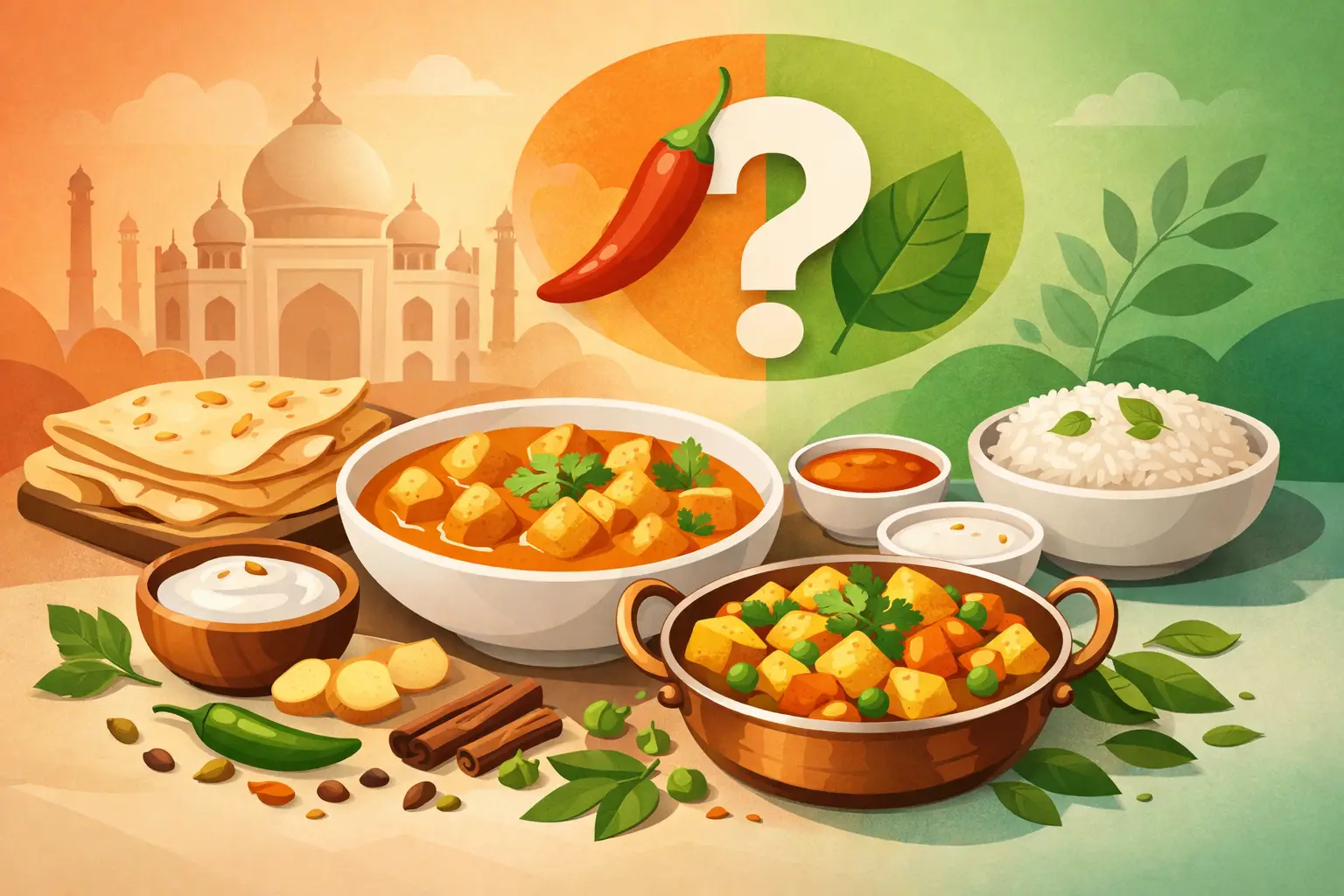
You are hungry, everyone else is ready to order, and one question matters more than anything else – which Indian curry is mild enough to enjoy without being overwhelmed by heat? If you are new to Indian food, ordering for children, or simply prefer gentler flavours, there are plenty of good options. A mild curry does not mean a bland one. It should still taste rich, fragrant and properly cooked.
Indian curries vary from region to region, and the heat level depends on the balance of chilli, cream, yoghurt, tomatoes, nuts and spices. That is why there is no single answer that fits every menu. One restaurant’s mild curry may be slightly sweeter or creamier than another’s, and some dishes can be adjusted to suit your taste. Still, a few classics are widely known for being the safest place to start.
Which Indian curry is mild on most menus?
If you are looking for the gentlest choice, korma is usually the first answer. A traditional korma is cooked with cream, yoghurt or coconut cream, often with ground nuts for extra richness. The sauce is smooth, mildly spiced and aromatic rather than hot. You may notice flavours such as cardamom, cinnamon and a little garlic or ginger, but the chilli is usually very restrained.
Butter chicken is another dependable choice for people who want a mild Indian curry. It is tomato-based, creamy and slightly sweet, with a rounded flavour that suits a wide range of diners. It is often the dish people come back to when they want something familiar, especially if they are trying Indian food for the first time.
Mango chicken is also commonly mild, with a sweeter profile that softens the spice. It tends to be especially popular with those who enjoy fruity sauces or want a curry that feels approachable from the first bite. For families, this can be one of the easiest dishes to share.
If you prefer vegetarian options, a mild vegetable korma usually offers the same gentle style as its meat-based counterpart. Paneer dishes can also be mild, depending on the sauce. A creamy paneer curry with tomato or cashew in the base often delivers plenty of flavour without too much heat.
Why some mild curries still taste full of flavour
A common misunderstanding is that mild food lacks character. In Indian cooking, heat is only one part of the picture. A curry can be mild and still have depth from onion, garlic, ginger, tomato, cream, yoghurt, fenugreek, cumin, coriander and whole spices cooked carefully over time.
That is why a well-made korma or butter chicken should not taste flat. The flavour comes from balance. You are tasting richness, sweetness, savoury notes and fragrance, not just chilli. For many diners, especially those ordering a weeknight dinner or eating out with children, that balance is exactly what makes a curry satisfying.
Mild does not always mean the same thing
Even when two dishes share the same name, recipes can differ. Some kormas are sweeter and creamier. Others are more savoury and nutty. A butter chicken at one restaurant may be very gentle, while another might carry a small chilli warmth in the background.
That is worth keeping in mind if you are especially sensitive to spice. Asking for mild is sensible, but it also helps to ask how the dish is usually prepared. Most good restaurants will guide you towards something that matches your comfort level.
Mild Indian curry choices worth knowing
Korma is often the mildest and richest option, especially for diners who enjoy a creamy sauce. Butter chicken sits close behind and is usually the easiest recommendation for someone who wants familiar flavours with a touch more tomato. Mango chicken is milder still in feel because of its sweetness, though that will depend on the kitchen’s recipe.
A mild coconut-based curry can also work well, especially if you enjoy a softer texture and gentle sweetness. Some cashew-based curries fall into the same category. If you are choosing from a broad menu, these styles are usually safer than dishes described as madras, vindaloo or jalfrezi, which are generally made to bring more heat.
Dishes that are usually not mild
If you are trying to avoid spice, it helps to know which names often signal a hotter curry. Vindaloo is one of the best-known hot dishes and usually contains a stronger chilli presence. Madras is also commonly medium to hot, with a sharper, deeper spice profile. Jalfrezi often includes green chillies and a brighter heat.
Rogan josh can be a little harder to judge. On some menus it is moderate rather than hot, with a rich tomato and spice base. On others it carries more warmth than a first-time diner expects. Bhuna and dopiaza also sit somewhere in the middle depending on the recipe. They may not be fiery, but they are not always the gentlest place to start either.
How to order if you want a mild curry
The simplest approach is to be direct. Say that you want a mild curry with plenty of flavour and very little chilli. That gives the kitchen or front-of-house team something clear to work with. If you are ordering for children, mention that as well.
It also helps to choose dishes with creamy or tomato-based sauces rather than dry-style curries or those known for green chilli. If you are ordering online and cannot ask questions, butter chicken, korma and mango chicken are often the safest picks. Pairing your meal with rice and naan can soften the spice further and make the whole dish feel gentler.
If you are sharing with a group, ordering one mild curry alongside one medium dish often keeps everyone happy. That way, diners who enjoy more warmth have options, and those who prefer a gentler meal are not left navigating something too hot.
Which Indian curry is mild for children and first-time diners?
For children, korma and butter chicken are usually the most reliable starting points. The sauces are smooth, comforting and easy to enjoy with rice or naan. Mango chicken can also work well for younger diners who like a sweeter finish.
For adults trying Indian food for the first time, butter chicken often feels the most familiar. It has the comfort of a tomato and cream sauce while still offering the layered spice that makes Indian cooking so appealing. Korma is the better choice if you want something softer, creamier and less tangy.
There is a trade-off, though. Some diners who ask for the mildest possible curry later decide they want a little more savoury depth and less sweetness. If that sounds like you, ask for a mild curry that is not overly sweet. A good restaurant can usually point you in the right direction.
The role of sides in keeping a meal mild
What you order alongside your curry makes a difference. Plain basmati rice helps balance spice and gives the sauce room to shine. Naan, especially plain or butter naan, softens stronger flavours and turns a mild curry into a more filling meal.
Raita is another helpful addition if you are unsure about spice. Its cool yoghurt base can settle any heat and make the meal feel more comfortable. Even if your curry arrives a touch warmer than expected, the right sides can bring it back into balance.
A mild curry can still feel authentic
Some people worry that choosing a milder curry means missing the real character of Indian food. That is not the case. Authentic Indian cooking includes a wide range of styles, and not every dish is built around chilli heat. Creamy curries, nut-based sauces and yoghurt-marinated dishes have long been part of the tradition.
What matters most is how the food is prepared – fresh ingredients, careful seasoning and proper cooking methods. A mild curry made well still reflects the care and character of Indian cuisine. At established restaurants such as Indian Brothers, that balance of authentic flavour and approachable choice is part of what makes the menu work so well for families, groups and regular local diners.
If you are unsure where to begin, start mild and build from there. One good curry often leads to another, and the best Indian meal is the one you enjoy enough to order again.