
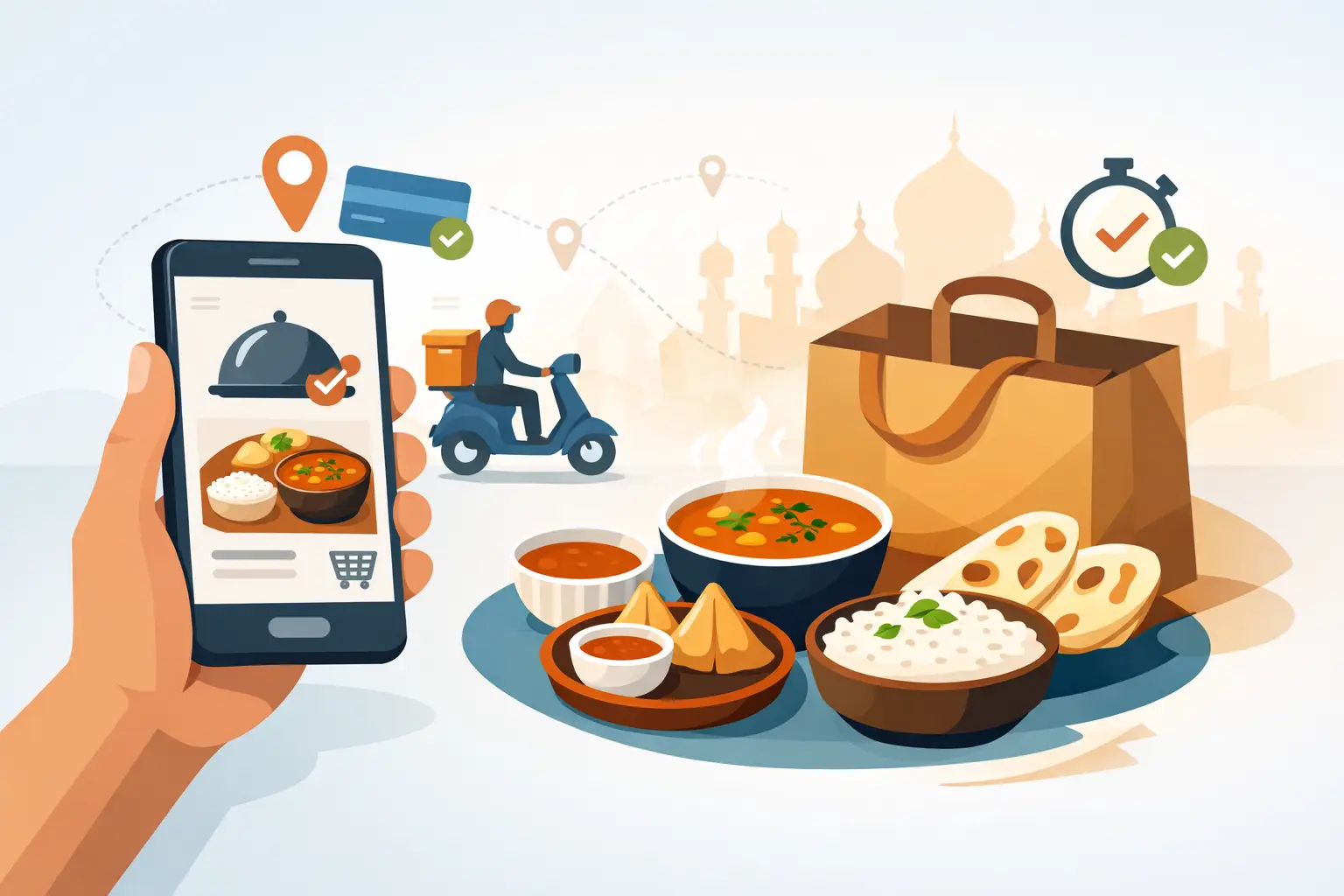
Some dinners are planned. Others happen at 6.45 pm when work has run late, the children are hungry, and no one wants to start cooking from scratch. That is exactly when many people order Indian food online – not for novelty, but for a meal they can rely on to arrive full of flavour, generous enough to share, and easy to choose for everyone at the table.
Online ordering works best when the food itself is dependable. A good Indian meal should travel well, hold its warmth, and still taste freshly prepared when it reaches home. Rich curries, fragrant biryanis, tandoori dishes and oven-baked breads all suit takeaway particularly well, provided they are made with care and packed properly. That balance of convenience and consistency is what matters most on a busy weeknight.
Why people order Indian food online so often
Indian food suits modern routines because it fits more than one kind of occasion. For some households, it is an easy Friday night dinner after a long week. For others, it is the answer to feeding a group without having to compromise between meat eaters, vegetarians and those who prefer something milder.
That flexibility is a big part of the appeal. One order can include a slow-cooked lamb curry, a classic butter chicken, a vegetable dish, rice, naan and a biryani to share. Everyone gets something familiar, and the meal still feels complete rather than pieced together. When people are ordering online, that clarity matters. They want to know they can sort dinner quickly without second-guessing every choice.
There is also a comfort factor that should not be underestimated. Traditional Indian dishes bring warmth, depth and familiar spice. They feel like proper meals. When you are ordering in, that makes a difference. A dependable curry and fresh bread often feel more satisfying than food that is quick but forgettable.
What to look for before you order Indian food online
Not every online ordering experience is the same. Convenience matters, but so does knowing the kitchen behind the order has experience and a clear standard. A menu can look impressive online, yet the real test is whether the food arrives tasting balanced, fresh and consistent.
A well-run restaurant group tends to make online ordering easier because the process has been refined over time. Clear menus, reliable preparation, straightforward pickup or takeaway options, and food that matches expectations all help build trust. If a restaurant has served local communities for years, that usually says more than any promotional language ever could.
It is also worth paying attention to menu range. A strong Indian menu should not force one person to compromise for another. There should be vegetarian, vegan and non-vegetarian dishes that feel equally considered. The best online ordering menus make it simple to combine favourites with side dishes, rice and breads so the meal feels complete from the start.
Choosing the right dishes for home delivery or pickup
The best online order is not always the biggest one. It is the one that suits the evening.
For a quiet dinner at home, many people lean towards familiar curries with rice and naan. These are straightforward to choose, easy to share, and dependable in flavour. If you know what your household likes, there is no need to overthink it. Consistency is often the whole point.
For families or small groups, biryanis and mixed selections make more sense. A biryani brings rice, spice and substance in one dish, while adding a couple of curries and breads gives the table more variety. This works particularly well when different people want different levels of heat or prefer different proteins and vegetables.
Tandoori dishes are another good choice if you want something a little lighter but still full of flavour. Their charred, oven-cooked finish holds up well for takeaway, and they pair easily with rice, salad or breads. The trade-off is that some people still want the comfort of a sauce-based dish alongside them, especially for a shared meal.
Then there are the sides, which are often what turn a good order into a satisfying one. Fresh naan, rice and a few extras are not just add-ons. They help round out the meal and make sharing easier. If you are ordering for more than one person, it is usually better to think in combinations rather than individual mains.
Ordering for different households and occasions
Online ordering is rarely just about one person choosing one dish. Most of the time, it is about making dinner work for a household, a group of friends, or a last-minute gathering.
For couples, the simplest approach is often best – two mains with rice and bread, perhaps one familiar and one a little richer or spicier. That gives enough variety without over-ordering. For families, it helps to choose a mix of mild and medium dishes so younger diners or less adventurous eaters are included without reducing flavour for everyone else.
Students and working professionals often want value as much as convenience. In those cases, dishes that reheat well the next day can be a smart choice. Many curries and rice dishes keep their flavour well, which makes online ordering practical beyond a single meal.
For birthdays, workplace lunches or community gatherings, online ordering can also be the first step towards a larger food arrangement. If a restaurant already handles takeaway and group meals well, that is usually a good sign for catering too. The same qualities matter in both cases – reliability, clear communication and food that pleases a wide range of tastes.
The value of ordering from a local restaurant group
There is a difference between ordering from an unfamiliar listing on an app and ordering from an established local restaurant with a clear presence in your area. Local restaurant groups understand their neighbourhoods. They know what regular customers come back for, what families tend to order, and how to maintain standards across busy evenings.
That familiarity builds confidence. If you have enjoyed a restaurant’s food in person, ordering online should feel like an extension of that experience rather than a gamble. The expectation is not just speed. It is that the curry tastes as it should, the bread is properly baked, and the order is accurate.
This is where experience counts. A long-standing restaurant group such as Indian Brothers has had time to understand what customers actually need from takeaway and online ordering – dependable food, straightforward service and meals that work for ordinary weeknights as well as larger social occasions.
How to make online ordering easier on busy nights
A little planning helps, especially on weekends when demand is higher. Ordering slightly earlier can mean a smoother experience, particularly for family dinners. It also gives you more time to choose properly instead of rushing through the menu and forgetting the rice or breads.
If your group has different dietary preferences, decide on the shared items first. Rice, naan and a vegetable dish often suit everyone, then you can add individual favourites around them. This usually creates a more balanced order than choosing mains one by one with no overall plan.
It is also sensible to stick with dishes you know travel well if timing matters. Sauced curries, biryanis and tandoori selections are generally reliable choices for home dining. Crispy items can still be enjoyable, but they are more affected by travel time. That does not mean avoiding them altogether – only matching the order to the occasion.
A good online order should still feel like proper hospitality
Convenience matters, but it should never come at the cost of care. When people order Indian food online, they still want the feeling that someone has prepared the meal properly, packed it thoughtfully, and taken the same pride in takeaway as they would in the dining room.
That is what turns online ordering from a transaction into a trusted habit. You are not simply looking for food to arrive. You are looking for the comfort of familiar flavours, the ease of feeding everyone well, and the reassurance that dinner is in safe hands.
On nights when time is short and expectations are still high, that kind of reliability goes a long way.