
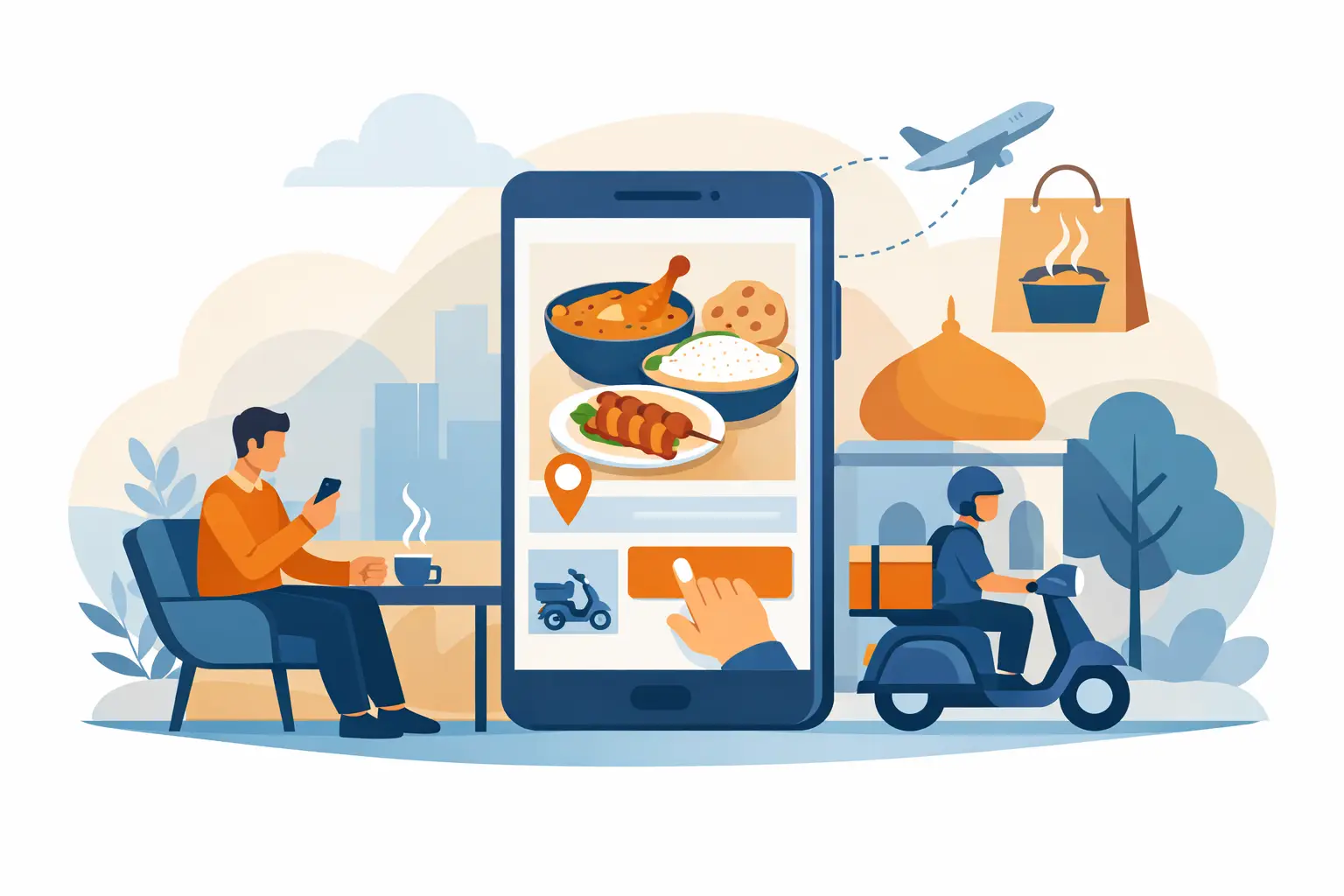
The 6 pm question is usually the same: what will everyone actually eat, and how quickly can it arrive? If you are wondering how to order Indian takeaway online without ending up with too much rice, not enough bread, or a curry that is hotter than expected, a little planning goes a long way.
Ordering Indian food online should feel straightforward. The best experience is not just about pressing a checkout button. It is about choosing dishes that suit the people at your table, understanding portion sizes, checking timing, and making sure dietary needs are covered before the order is placed. When you do that well, takeaway feels less like a gamble and more like an easy, satisfying dinner.
How to order Indian takeaway online without guesswork
Start with the occasion. A quick weeknight meal for one or two people is different from feeding a family, ordering for visiting friends, or arranging food for a casual celebration. The more clearly you know who you are ordering for, the easier the menu becomes to read.
If it is a solo meal, you might only need one curry, one rice, and perhaps a bread if you are especially hungry. For two people, many choose two mains with a shared rice and bread. For a family or group, balance matters more than quantity alone. You usually want a mix of mild and medium dishes, a vegetarian option, enough rice, and at least one bread everyone can share.
It also helps to think about familiarity. Indian takeaway menus often include trusted favourites such as butter chicken, korma, rogan josh, vindaloo, biryani, tandoori chicken, samosas, and naan. If your group includes both regular curry eaters and people who prefer milder flavours, choose one dependable crowd-pleaser and then add something with a bit more spice or depth. That way nobody feels left out, but the meal still has variety.
Read the menu like a local regular
The easiest online orders usually come from people who take an extra minute to read the dish names properly rather than ordering in a rush. Indian food has plenty of variety, but some dishes differ more in style than people expect.
Creamy curries such as butter chicken or korma tend to suit those who want gentler spice and a richer sauce. Tomato-based or onion-based curries can have a deeper, more savoury flavour. Tandoori dishes are often drier because they are cooked in the oven rather than served in a thick sauce. Biryani is a rice dish in its own right, so it may not need extra rice on the side.
This is where online ordering can actually help. A clear digital menu gives you time to compare options without feeling hurried. You can check whether a dish is vegetarian, whether it includes bread or rice, and whether starters or sides would round out the meal. If a menu has clear descriptions, use them. They are there to help you avoid assumptions.
Pick dishes that work together
A good takeaway order has contrast. If every dish is rich and creamy, the meal can feel heavy. If every curry is very hot, some people will struggle through it rather than enjoy it. Try mixing textures and flavours.
For example, a group order might include one creamy curry, one tomato-based curry, one tandoori item, a vegetable dish, rice, and naan. That gives everyone options. It also helps if one person wants chicken, another prefers lamb, and someone else is vegetarian.
There is no single correct combination, and that is part of the appeal. Indian takeaway works well for mixed groups because the menu often offers something for nearly everyone.
Check spice levels carefully
One person’s medium is another person’s very hot. This matters even more when ordering online because you cannot ask follow-up questions as naturally as you might in person.
If the menu labels dishes by heat, pay attention. If it does not, stick with well-known mild dishes for cautious eaters and save the hotter options for those who actively want them. Ordering one milder curry alongside one hotter dish is usually safer than making everything spicy and hoping for the best.
Getting portions right
One of the most common online ordering mistakes is over-ordering rice and under-ordering mains, or the other way round. Portion needs depend on appetite, age, and whether you are ordering starters, but a little common sense helps.
For one person, a main and rice is usually sufficient, with bread or a starter added if wanted. For two people, two mains and one or two shared sides often work well. For families or groups, think in terms of a table rather than individuals. Shared food creates a better spread and usually gives better value too.
Watch out for dishes that already come with rice or are designed as a full meal. Biryani is the obvious example. If you order several biryanis and then add large rice portions for everyone, you may end up with more food than expected.
The opposite can also happen with breads. Naan and roti disappear quickly when several people are sharing. A single bread between four people rarely stretches far, especially if the curries are sauce-based.
Dietary needs and preferences matter
Online ordering is especially useful when people have different dietary requirements. Vegetarian, vegan, and non-vegetarian choices are usually easier to compare on a digital menu than on a printed leaflet or a rushed phone call.
Before placing the order, check whether anyone needs to avoid dairy, nuts, or particular meats. Also ask the simple question many groups forget: does everyone actually want rice, or would some prefer bread? Small checks like that can save money and stop food going to waste.
This is one reason established local restaurants remain a dependable choice. A menu built around traditional Indian cooking often gives a broad range of options without making the process complicated. Indian Brothers, for example, has built its reputation on offering familiar dishes prepared with care, alongside vegetarian, vegan, and meat options that make group ordering much easier.
Timing, collection and delivery
Another part of how to order Indian takeaway online well is knowing when you need the food. Collection can be quicker if you are already out and about or passing by on the way home from work. Delivery is more convenient, but timing can vary based on distance, weather, and peak demand.
If you are ordering on a Friday night, during a local event, or for a larger household meal, allow extra time. Ordering earlier often gives you a better selection window and less stress. If you need the meal at a specific time, check whether the system allows scheduled ordering rather than immediate preparation.
Collection also has practical benefits. It can mean hotter food, less waiting, and more control over when dinner lands on the table. Delivery, on the other hand, is ideal when convenience matters most. Neither is automatically better. It depends on your evening and how quickly you want everyone fed.
Double-check before you pay
A quick review at checkout prevents most problems. Make sure your basket includes the basics: mains, rice, breads, any starters, drinks if needed, and the correct quantity of each item. Confirm the address, phone number, and any simple notes that will genuinely help the order arrive correctly.
Keep special requests realistic. Asking for a mild version of a very hot dish may be possible, but changing the core nature of several items can slow things down or create confusion. Simple, clear requests work best.
It is also worth checking whether your selected time is collection or delivery. People often assume one and accidentally choose the other.
How to order Indian takeaway online for groups
Group ordering needs a slightly different approach. Start with the broad preferences first: chicken, lamb, seafood, vegetarian, vegan, mild, and spicy. Then choose a balanced set of dishes around that.
A good group order usually has a few shared starters, a range of mains, enough rice for the table, and several breads. If children are eating too, include at least one mild and familiar option. If adults are sharing, add one more adventurous dish if the group enjoys stronger flavours.
Do not try to please everyone with separate meals unless there is a clear reason. Shared dishes are simpler, often more enjoyable, and better suited to Indian takeaway. They also make it easier for guests to try something new without committing to a full portion.
For larger occasions such as birthdays, family gatherings, or workplace lunches, ordering in advance is the sensible choice. It gives the kitchen time to prepare properly and gives you more confidence that the food will arrive when needed.
The best online order is the one that feels easy
Most people do not need a perfect strategy. They need a meal that arrives on time, tastes as expected, and suits everyone around the table. That is why the best way to order is often the simplest one: choose a trusted restaurant, read the menu properly, build a balanced order, and check the details before paying.
Once you have done it once or twice, it gets easier. You learn which dishes your household returns to, how much rice you really need, and whether collection or delivery suits your routine better. Good takeaway should fit naturally into your week, whether it is a quiet dinner at home or a table full of family and friends.
When you order with a little care, Indian takeaway does what it does best – it brings people together over food that is comforting, generous, and full of flavour.