
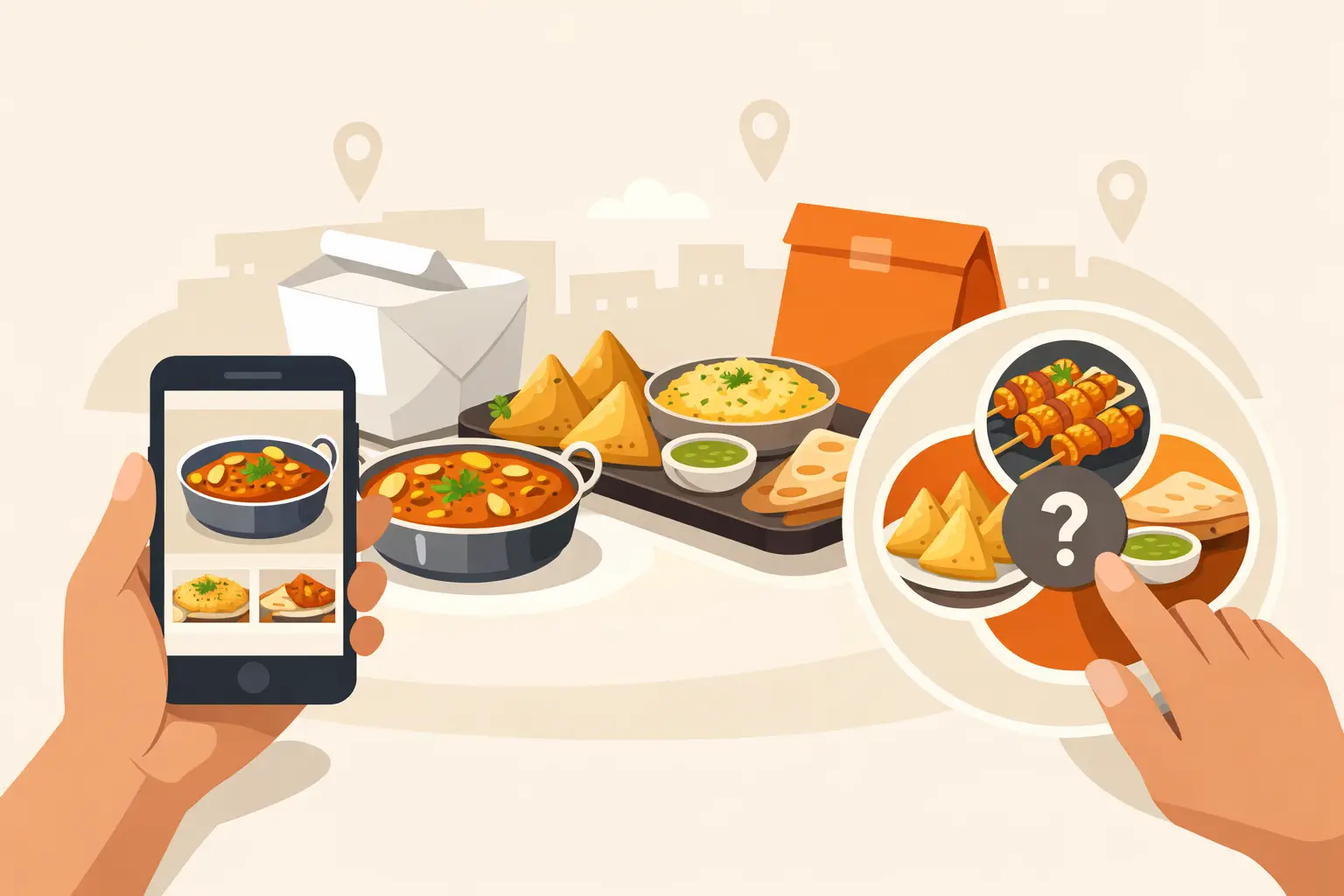
A good Indian takeaway should feel like dinner has been properly sorted: fragrant curries, warm breads, rice for sharing and something on the table for everyone. Knowing how to choose Indian takeaway dishes comes down to more than picking a familiar curry. Think about heat, richness, portions and the people you are feeding, then build an order with a little variety.
Whether you are ordering a quiet meal after work, feeding the family or putting together a relaxed spread for friends, a few simple choices can make the whole meal more satisfying.
Start with the occasion and the number of people
Begin with the practical question: who is eating? One person may be happy with a curry, rice and a naan. A family or group will usually enjoy a shared table with a couple of different mains, rice, breads and one or two sides. Ordering several dishes also means people can try different flavours without everyone having to agree on one curry.
For a smaller order, choose one main dish that suits your preferred level of spice, then add a carbohydrate. Steamed basmati rice is a reliable choice for saucy curries, while naan is ideal for scooping up thicker gravies. For a larger group, include both. Rice stretches the meal, while breads add warmth and variety.
It is worth considering how hungry everyone will be. If you are ordering after a long day, an extra side dish or bread is rarely wasted. If there are starters before the main meal, you may need less curry than you first think.
Choose your curry by flavour, not just heat
Indian curries are not simply mild, medium or hot. Each has its own balance of spices, texture and richness. Choosing by the style of sauce is often the easiest way to find something you will enjoy.
A creamy, mild curry such as butter chicken or korma suits those who prefer gentle spice and a fuller, richer sauce. These dishes are especially useful when children are sharing the meal or when someone is new to Indian food. They pair well with naan and plain rice.
For deeper, more savoury flavours, look towards dishes such as rogan josh, madras-style curries or traditional lamb and chicken curries. These often have more pronounced spice, tomato, onion or aromatic notes without necessarily being overwhelmingly hot. Ask for guidance if you are unsure, as heat can vary between dishes and personal tolerance varies even more.
If you enjoy a sharper kick, a vindaloo or a hot curry may be the right choice, but balance it with cooling sides and milder dishes for the rest of the table. Heat should add enjoyment, not make the meal difficult to finish. A group order works best when not every dish is at the same spice level.
Build a balanced takeaway order
The most enjoyable Indian takeaway has contrast. A rich curry is better alongside fluffy rice, fresh salad or cooling yoghurt-based raita. A dry tandoori dish benefits from a saucy curry or chutney. If every dish is creamy or every dish is very hot, the flavours can start to feel one-dimensional.
A dependable shared order often includes these four elements:
- one mild or creamy curry for comfort and broad appeal
- one more aromatic or spiced curry for variety
- rice and a selection of oven-baked breads
- a cooling or fresh side, such as raita, salad or pickles
You do not need to order every category for a simple dinner. The idea is to avoid doubling up without a reason. For example, two creamy chicken curries may suit a household with young children, while a mixed group might prefer one chicken dish, one lamb or seafood dish, and a vegetarian option.
Do not overlook tandoori dishes
Tandoori dishes are a useful choice when you want something lighter than a curry. Chicken, lamb, fish or vegetables cooked in the tandoor have a smoky, charred edge and are often served without a heavy sauce. They work well as a starter to share, but can also become a main meal with rice, naan and sides.
They are particularly handy when some guests prefer less sauce or are looking for a more protein-focused meal. Pair a tandoori dish with a curry that has plenty of gravy, so there is still something to enjoy with the rice and bread.
Make room for vegetarian and vegan choices
A thoughtful takeaway order should give everyone a proper main dish, not just a side. Indian cuisine offers plenty of naturally satisfying vegetarian options, from lentil-based dals to chickpea curries, spinach dishes and vegetable curries. These can be as hearty and flavourful as meat dishes, making them a welcome part of any shared table.
If you are ordering for a vegan guest, check which dishes are prepared without dairy, ghee or cream. A vegetable curry may sound vegan but could contain butter or yoghurt, so it is always sensible to confirm. The same care applies to breads, as some may include dairy. Clear dietary information helps everyone eat with confidence.
For mixed households, a lentil or chickpea dish is often a smart addition even when no one is vegetarian. It brings a different texture to the meal, goes well with rice and makes the order feel more generous.
Rice, naan and sides: choose what your mains need
Rice is the natural partner for curries with generous sauce. Plain basmati rice allows the spices to stand out, while fragrant or flavoured rice can bring more character to a simpler dish. Biryani is a meal in itself, combining seasoned rice with meat or vegetables, so it may need only raita or a light side rather than another substantial curry.
Naan, roti and other breads are best chosen with the sauces in mind. A plain naan is versatile, while garlic naan adds a savoury lift and cheese naan is more filling. If you are already ordering several rich dishes, a plain bread can provide better balance. For a lighter option, roti is often a good fit.
Sides have a practical role. Raita cools spicy food, pickles add a sharp, tangy note, and papadums bring crunch before the main dishes arrive. They are small additions, but they stop a meal of soft curries and rice from feeling too heavy.
How to choose Indian takeaway dishes for first-time diners
If you are ordering Indian food for the first time, there is no need to begin with the hottest dish on the menu. Choose one familiar-feeling curry, such as a mild chicken or vegetable dish, alongside rice and naan. Then add a second dish with a little more spice or a different ingredient, perhaps a lamb curry, dal or tandoori chicken.
This approach gives you a comfortable starting point while letting you discover what you enjoy. You may find that you prefer tangy tomato-based sauces to creamy ones, or that medium spice is exactly right. Takeaway is meant to be convenient, but it can also be a chance to build your own favourites over time.
When ordering from an established local restaurant such as Indian Brothers, do not hesitate to ask which dishes are mild, which have more heat and which options best suit your group. Helpful advice is particularly valuable for dietary requirements, children’s meals and larger orders.
Plan ahead for a better meal at home
Place your order with serving in mind. Have plates, bowls and serving spoons ready, especially when several dishes are being shared. Move curries into serving bowls if you are hosting friends, keep breads covered to retain their warmth, and serve raita straight from the fridge for the best contrast with hot food.
If you expect leftovers, rice and curries can make an easy next-day meal when refrigerated promptly and reheated thoroughly. Keep fresh sides separate where possible, as salad and raita are best enjoyed on the day.
The right Indian takeaway order is not about choosing the most dishes. It is about choosing dishes that suit the people around your table, with enough contrast for everyone to enjoy their plate. Start with what feels comforting, add one new flavour when you can, and let a shared meal do what it does best: bring people together.