
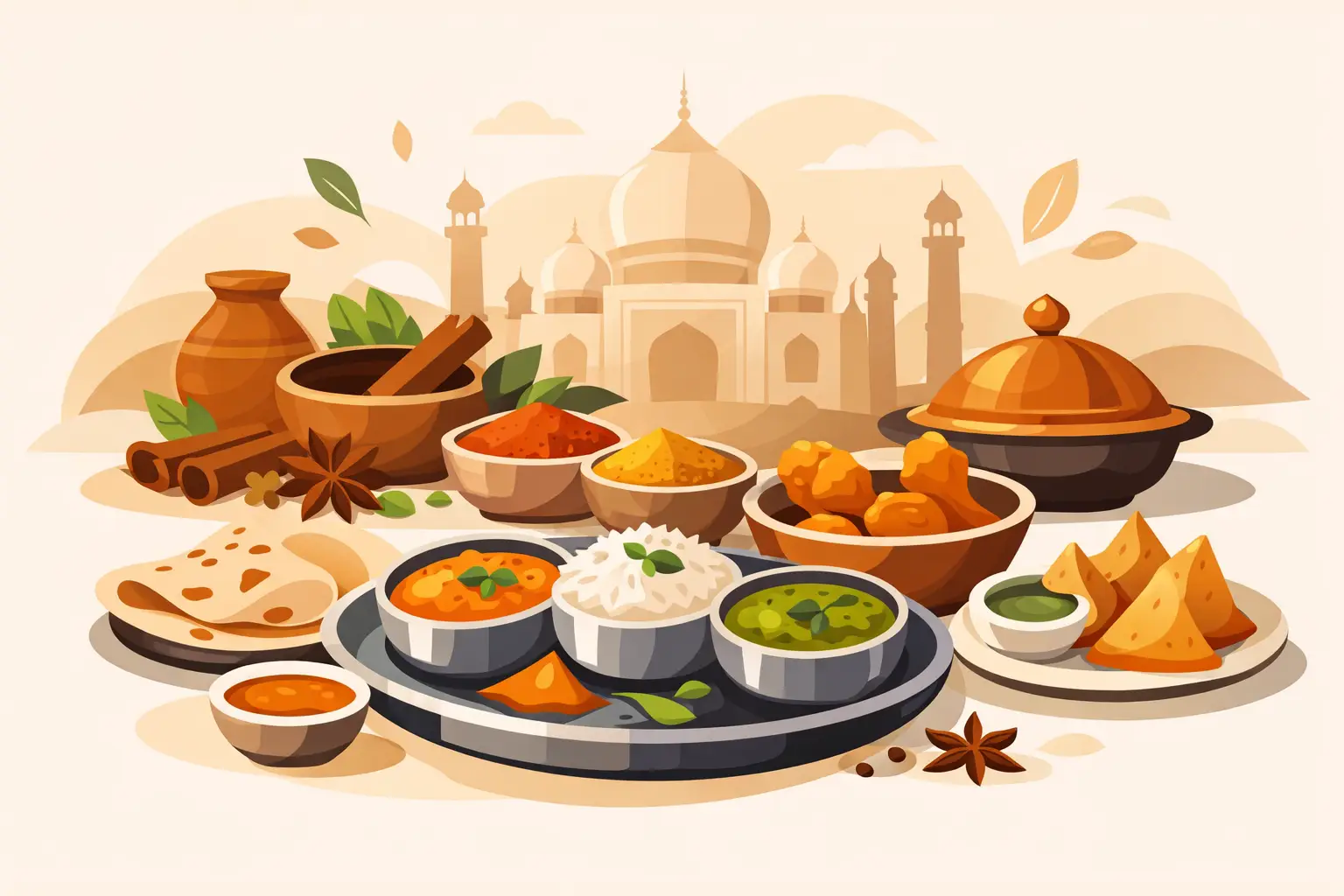
One look at an authentic Indian cuisine menu should tell you something straight away – this is food built on time, care and tradition, not shortcuts. You can usually spot the difference before the first bite. The dishes feel familiar, the menu has range without losing focus, and there is a clear sense that each curry, bread and rice dish belongs there for a reason.
For many diners, authenticity is not about making a meal overly complicated or fiery. It is about whether the food tastes honest. A proper Indian menu should reflect classic cooking methods, balanced spice, and the kind of variety that lets families, groups and regular weeknight diners all find something satisfying.
What an authentic Indian cuisine menu should include
A strong menu starts with the staples people return to again and again. Curries are often the heart of it, but not every curry should taste the same. A good menu gives each dish its own identity. Butter chicken should be rich and smooth, with tomato, cream and gentle spice working together. Rogan josh should carry deeper warmth. Korma should be milder and fuller, while vindaloo should bring more heat without becoming harsh.
That balance matters. Authenticity is not about adding as much chilli as possible. Indian cooking relies on layers of flavour – cumin, coriander, turmeric, garam masala, ginger, garlic and fresh herbs all playing a part. When these are handled well, the result is depth rather than confusion.
An authentic menu also goes beyond curry. Tandoori dishes are a key sign of a well-rounded Indian kitchen. Chicken tikka, seekh kebabs and tandoori chicken bring a different style of cooking, where marinated meats are cooked at high heat for colour, char and tenderness. These dishes offer something lighter than a sauce-based curry while still carrying plenty of flavour.
Biryani deserves its own place as well. It should not feel like an afterthought. A proper biryani is fragrant, satisfying and carefully built, with spiced rice, herbs and your choice of vegetables or meat cooked so the flavours settle into every spoonful. For many diners, it is the complete meal.
Then there is bread. Fresh naan, roti and other oven-baked breads are not side notes. They are part of the meal itself. A menu that treats bread seriously usually treats the rest of the cooking seriously too. Soft garlic naan, plain naan and roti each bring something different to the table, whether you are scooping up curry or pairing them with tandoori dishes.
Why variety matters on an authentic Indian cuisine menu
Indian food is not one-note, and a menu should not be either. One of the strengths of traditional Indian cooking is that it caters naturally to different tastes, appetites and dietary needs. That is especially important for families and groups, where one person may want a mild chicken curry, another may prefer lamb, and someone else may be looking for a vegetarian or vegan dish.
A dependable menu gives all of those diners a proper choice. Vegetarian dishes should never feel like fillers. Classics such as dal, palak paneer, chana masala and mixed vegetable curry have long been central to Indian cooking. They bring texture, warmth and substance in their own right. The same goes for vegan options, which can fit naturally into many traditional recipes when prepared with care.
This is one reason Indian food works so well for shared meals. People can order across the menu and still feel that everything belongs together. You are not forcing one style of dish to suit everyone. The cuisine already offers that flexibility.
There is a practical side to this too. A well-planned menu should work for a relaxed dine-in meal, a quick takeaway after work, or a larger gathering where people want reliable crowd-pleasers. The best restaurants understand that authenticity and convenience can sit comfortably together, as long as the food remains true to its roots.
The signs of authentic preparation
Not every menu that uses Indian dish names delivers authentic results. The difference often comes down to preparation. Slow-cooked sauces matter because they allow spices to settle and deepen. Fresh ingredients matter because onions, tomatoes, herbs and dairy all affect the final flavour. Classic methods matter because some dishes simply do not taste right when rushed.
A curry should taste rounded, not flat. Tandoori meats should be properly marinated, not just coloured. Rice should be fragrant and separate, not clumped together. Bread should arrive warm and fresh, not dry and tired. These details may sound small, but they shape the entire meal.
Consistency is another part of authenticity that gets overlooked. Diners want the comfort of knowing that their favourite dish will taste as it should each time they order it. That is especially true for local restaurants serving neighbourhood communities. Trust is built when the food is prepared with the same care on a quiet weeknight as it is on a busy weekend.
Regional influence without confusion
A thoughtful Indian menu often reflects the fact that Indian cuisine is broad. North Indian dishes such as butter chicken, naan, korma and tandoori platters are widely loved because they are rich, warming and easy to share. At the same time, spice blends, lentil dishes and rice preparations can point to wider regional traditions.
For most diners, the goal is not to study a map while ordering dinner. It is to enjoy food that feels rooted in genuine cooking traditions. A menu does not need to include every regional speciality to be authentic. In fact, trying to cover too much can weaken the experience. It is often better to do the classics properly and offer enough variety to suit different preferences.
That is where restraint helps. A menu with clear categories, recognisable favourites and a few depth-building options usually serves guests better than an overlong list with little consistency behind it.
How diners read a menu before they order
People often decide whether a restaurant feels trustworthy before the food arrives. The menu plays a big part in that. Clear sections for curries, biryanis, tandoori dishes, breads and vegetarian options make ordering easier and show confidence in the kitchen’s strengths.
Descriptions matter too, but they should stay practical. Diners want to know if a dish is mild, creamy, smoky, spicy or suitable for vegetarians. They do not need inflated language. Straightforward menu writing usually reflects straightforward cooking – and that is a good thing.
For busy households, students, workers and groups, ease matters. A menu should be broad enough for choice but simple enough to order from without guesswork. That is one reason established restaurants like Indian Brothers remain popular across different locations. People know what they are getting: authentic flavours, familiar favourites and menu options that work whether the meal is for two people at home or a full table out for dinner.
Choosing well from an authentic Indian menu
If you are ordering for the first time, it helps to build a balanced meal rather than selecting only the hottest or richest dishes. A classic approach is to pair one creamy curry with one drier or smokier option, add rice, include a bread and make room for a vegetable dish. That way, the meal feels complete rather than heavy.
For families or groups, variety usually gives the best experience. A chicken dish, a lamb or beef option, one vegetarian curry, rice and naan will cover most tastes. If the table wants something special, biryani or a tandoori platter can round things out nicely.
If you are ordering takeaway, some dishes travel better than others. Curries, biryanis and breads tend to hold up well, while sizzling presentation dishes are often best enjoyed in the restaurant. That does not mean one format is better than the other. It simply depends on the occasion.
Authentic Indian food should feel welcoming, not intimidating. A good menu guides you towards a meal that suits your appetite, your company and your plans for the evening.
The best authentic Indian cuisine menu is the one that keeps traditional cooking at the centre while making it easy for people to enjoy it again and again. When the food is prepared with care, the flavours are balanced, and the menu gives everyone a genuine choice, dinner rarely needs to be more complicated than that.