
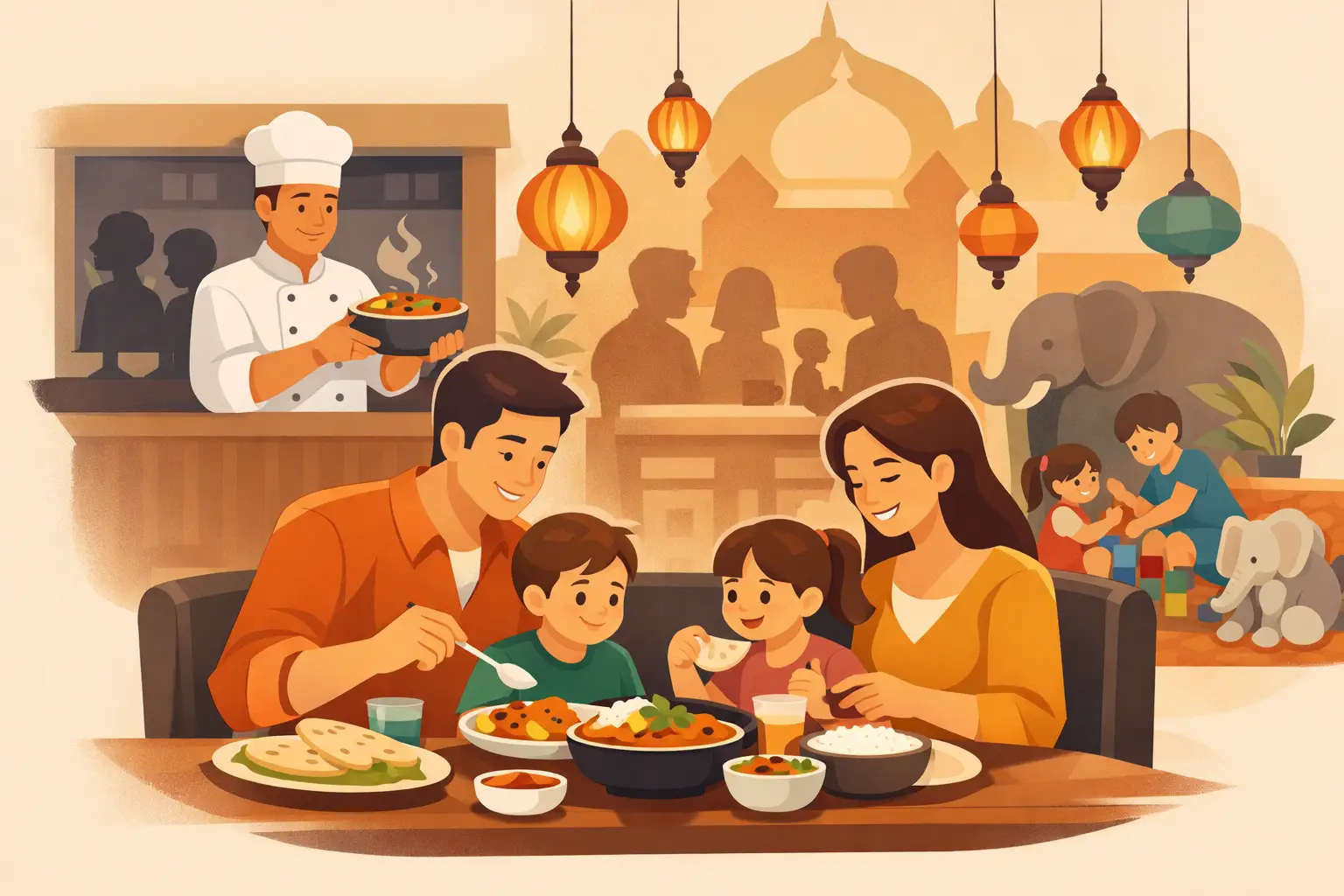
A good family friendly curry restaurant does more than offer a children’s portion alongside the main menu. It gives everyone at the table a comfortable place to eat well, from a child trying mild butter chicken for the first time to grandparents sharing familiar favourites. The best family meals are relaxed, generous and easy to enjoy together – and Indian food is made for exactly that.
At Indian Brothers, the focus is on authentic food prepared with care, welcoming service and enough choice for every appetite. For families in Queensland, that means less time negotiating where to eat and more time sharing a proper meal.
A family meal should work for every age
Families rarely arrive at a restaurant with the same needs. One person may want a hot vindaloo, another may prefer a mild vegetable curry, while younger diners might be happiest with rice, naan and a gently spiced chicken dish. A restaurant that understands family dining does not treat these preferences as a problem. It makes room for them.
Indian cuisine offers that flexibility naturally. Creamy curries, fragrant rice dishes, smoky tandoori cooking and freshly baked breads create a table where people can choose their own plate or share several dishes. Parents can order familiar choices for cautious eaters, while those who enjoy more heat and spice can still find the depth of flavour they want.
The key is clear, helpful guidance. Friendly staff who can explain a dish, suggest a milder option or point out vegetarian and vegan choices make a noticeable difference. Families should feel comfortable asking questions, especially when children are learning what they like.
What to expect from a family friendly curry restaurant
A restaurant does not need a noisy play area or a novelty menu to welcome families well. Often, the details that matter most are simple: a warm greeting, food that arrives reliably, comfortable seating and a menu that gives everyone a genuine choice.
Choice without making the menu difficult
A broad menu is valuable when it remains familiar and straightforward. Traditional curries such as korma, butter chicken, rogan josh and madras offer different levels of richness and warmth. Vegetable dishes, lentil curries and chickpea-based meals help families accommodate vegetarian or vegan diners without asking them to settle for a side dish.
Tandoori dishes can be a particularly good choice for groups. Chicken, lamb or paneer cooked in the tandoor brings a lightly charred flavour and can be paired with rice, salad and naan as each person prefers. Biryanis are another satisfying option for those who like a complete, aromatic meal in one bowl.
For younger diners, the best starting point is often not a separate version of Indian food but approachable dishes prepared with balanced spice. Mild curries, plain rice, yoghurt-based accompaniments and warm naan give children familiar textures while introducing them to new flavours at their own pace.
Spice should be a choice, not a gamble
Heat is only one part of Indian cooking. Good curry has flavour from spices, herbs, slow cooking and fresh ingredients, not simply chilli. This matters for family meals because it means a mild dish can still be full of character.
When ordering for a mixed group, it helps to choose a range. One mild curry, one medium dish and something with more warmth can satisfy the table without leaving anyone out. Raita or yoghurt can soften a spicier mouthful, while rice and naan make stronger sauces easier for younger diners to enjoy.
If you are uncertain, ask the team how a dish is usually prepared. Spice tolerance varies from person to person, and a quick conversation can prevent an otherwise enjoyable meal from becoming too hot for someone at the table.
Sharing brings the table together
Indian dining suits families because sharing is part of the experience. A few curries in the middle, rice to pass around, naan to tear and dip, and sides such as samosas or onion bhajis can turn dinner into a meal people talk over rather than rush through.
Sharing also removes pressure. Children can taste a little of something new without committing to a whole plate, and adults can enjoy more variety. It is a practical way to cater for different appetites, particularly when a family includes both adventurous eaters and those who prefer to stay with known favourites.
That said, shared dining is not the only answer. Older children, teenagers and adults may prefer their own biryani or tandoori main. A flexible restaurant should make both styles feel equally easy.
Planning an easy family curry meal
A relaxed meal out usually starts before anyone sits down. Choosing a convenient local restaurant, booking a table for a larger group and looking at the menu in advance can make the evening far smoother, especially after work or during busy weekends.
For a family of four or five, begin with two or three mains that cover different tastes, then add rice and breads for sharing. A mild chicken or vegetable curry, a richer lamb dish and a vegetarian option is often a dependable combination. Add starters only if the group is ready for them – hungry children may be better served by getting the main meal underway promptly.
Dietary needs should be part of the plan, not an afterthought. Vegetarian, vegan and non-vegetarian options allow everyone to join the same meal with confidence. If allergies or specific requirements are involved, speak with the restaurant before ordering so the team can provide the right advice.
For a quieter evening at home, takeaway can be just as family-friendly. A well-packed curry meal offers the same variety without needing to manage tired children, parking or a late finish. Online ordering can make it easier to check dishes, choose a collection time and keep dinner organised on a busy weekday.
Why dependable hospitality matters to families
When parents choose where to eat, food is only part of the decision. They also need to know the experience will be straightforward. Will there be enough choice? Will the order be handled carefully? Will the atmosphere feel welcoming if a child is a little noisy or takes time to decide?
Dependable hospitality answers those questions without fuss. It is the calm confidence of a local restaurant that knows its menu, prepares food consistently and treats each group with genuine care. Families notice when staff are attentive without hovering, when dishes arrive as expected and when there is no sense that children are unwelcome.
This consistency matters even more for celebrations. A birthday dinner, a visit from relatives or a simple Friday night meal becomes easier when everyone knows there will be something enjoyable on the table. For larger gatherings, catering can bring the same shared, crowd-pleasing food to homes, workplaces and community events.
Making Indian food part of family tradition
Children often remember meals through small details: tearing a piece of naan, choosing between rice and roti, or deciding they are finally ready to try the curry their parents always order. A family restaurant can help make those moments feel easy rather than unfamiliar.
There is no need to order the most adventurous dish on the first visit. Start with flavours that feel comfortable, share a little more widely next time and let everyone find their favourites. Over time, a simple curry night can become the dependable family tradition that brings people back to the table.