
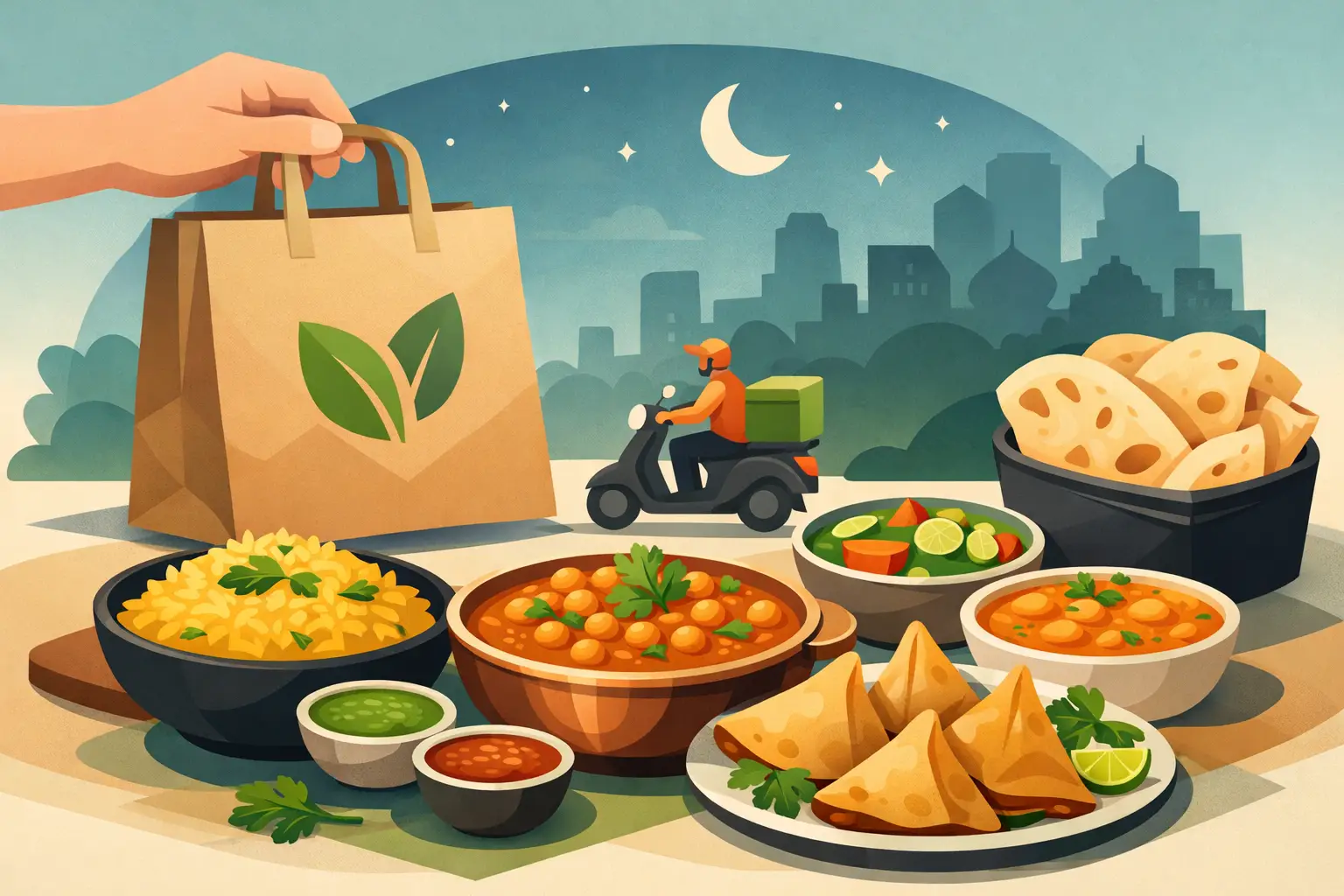
A good vegan takeaway should feel like a proper dinner, not a collection of sides chosen by necessity. The best vegan Indian takeaway options bring together warming spices, slow-cooked lentils, satisfying vegetables and fragrant rice, so everyone at the table can enjoy a generous, comforting meal.
Indian food has long offered plenty of naturally plant-based dishes, but a little care when ordering makes all the difference. Ghee, yoghurt, cream and paneer are common in traditional cooking, while some breads and rice preparations may include dairy. The aim is not to avoid flavour. It is to choose dishes that deliver it through pulses, vegetables, herbs and carefully balanced spices.
The best vegan Indian takeaway options to choose
For a dependable main, lentil curries are hard to beat. Dal is filling without being heavy, and its gentle, earthy flavour works well with rice or a dairy-free bread option. A simple yellow dal may be mild and comforting, while a richer tarka-style dal can bring more garlic, cumin and warming spice. As recipes vary between kitchens, it is always sensible to confirm that no ghee or cream has been used.
Chickpea curries are another favourite for vegan diners. Chana masala combines chickpeas with tomato, onion, ginger and spices for a dish with real substance. It travels particularly well as takeaway and is ideal when you want something familiar, satisfying and suitable for sharing. If one person at home likes a little heat and another prefers a milder meal, chickpeas are often a good middle ground.
Vegetable curries offer the most variety. A mixed vegetable curry can be a colourful choice, with seasonal vegetables cooked in a spiced onion and tomato sauce. Aloo gobi, made with potato and cauliflower, is usually a comforting option with a drier texture than a saucy curry. Baingan dishes, centred on smoky aubergine, can be especially rewarding for those who enjoy deeper, fuller flavours.
Potato dishes deserve more attention than they sometimes receive. Potatoes carry spices beautifully and make a meal feel generous, particularly when paired with a lentil dish or vegetable curry. They are also a sensible choice for families, as they tend to be approachable for younger diners and those who are less accustomed to chilli.
Rice, sides and the detail that completes dinner
Steamed basmati rice is often the simplest partner for a vegan curry. Its light, fragrant character lets the curry do the talking, and it is useful for balancing a dish with a little more chilli. Vegetable pulao can add extra interest, though it is worth checking the preparation if you need a fully vegan order, as kitchens differ in their use of ghee.
Pickles, chutneys and salads can lift the whole meal, but these are also worth confirming. Some sauces contain yoghurt, and even a seemingly simple accompaniment may be prepared differently from one restaurant to another. A fresh onion, cucumber or tomato salad, where available, adds crunch and freshness alongside richer curries.
Breads need the closest attention. Naan is often made or finished with dairy, and butter naan is clearly not suitable for a vegan meal. Roti or chapati may be a better option, but only when the restaurant confirms it is prepared without ghee, milk or yoghurt. If there is any uncertainty, rice is the reliable choice.
How to order a vegan Indian takeaway with confidence
The most useful question is straightforward: which dishes are vegan as prepared, and which can be made vegan? This avoids guesswork and gives the kitchen the chance to guide you towards the right choices. A clearly labelled vegan menu is helpful, but a quick confirmation is still worthwhile if you have allergies or need to avoid dairy completely.
Be specific about the ingredients that matter. Ask whether ghee, cream, yoghurt, butter, paneer or milk are used in the curry, rice, bread or garnish. If you have a food allergy rather than a dietary preference, make that clear when ordering. A restaurant can then advise on suitable dishes and any potential cross-contact in the kitchen.
It also helps to think in combinations rather than ordering several versions of the same thing. For two people, a lentil curry, a chickpea or vegetable curry, rice and a confirmed vegan side can create a varied meal with different textures and levels of spice. For a family or group, adding a second vegetable dish gives everyone more to try without making the table overly complicated.
At Indian Brothers, vegan and vegetarian choices sit alongside the wider menu, making it easier for mixed groups to order a shared meal that suits different tastes. The key is the same whether you are collecting dinner after work or arranging food for a relaxed evening at home: choose familiar dishes, check the preparation, and order enough variety for everyone to feel included.
Choosing dishes for different appetites
If you want a lighter meal, choose a tomato-based vegetable curry with steamed rice and a fresh side. This combination has plenty of flavour while staying bright and uncomplicated. It is particularly welcome on warm evenings or when you want something satisfying without feeling too rich.
For a heartier meal, pair dal with chana masala or a potato-based curry. Lentils and chickpeas provide a more substantial base, while the contrast between the two dishes keeps each mouthful interesting. Rice makes it go further, which is useful when feeding more people or saving some for lunch the next day.
For guests who are new to Indian food, begin with milder dishes and keep a spicier option on the side. Not every vegan curry needs to be fiery to be memorable. Aromatic cumin, coriander, turmeric, ginger and garam masala can create depth and warmth without overwhelming heat.
If you do enjoy chilli, ask which vegan dishes have a naturally stronger kick and whether the heat can be adjusted. This is generally more effective than adding chilli at random, as the balance of spice is part of what makes a curry taste complete. A good kitchen will be able to recommend something that suits your preference.
Don’t assume every vegetarian dish is vegan
This is the one takeaway rule worth remembering. Many classic Indian vegetarian dishes rely on paneer, cream, yoghurt or ghee, all of which add richness but are not vegan. Dishes such as palak paneer, malai kofta and creamy kormas are therefore usually unsuitable unless the restaurant offers a specific plant-based version.
That does not mean a vegan order has to be limited. Indian cooking has an enormous pantry of lentils, beans, vegetables, rice, herbs and spices, and many of the most comforting dishes are built around these ingredients. The best choice depends on the kitchen, the recipe and your own taste, rather than the name of a dish alone.
Make takeaway feel like a shared meal
When the food arrives, serve the curries in bowls or place the containers in the middle of the table and let everyone help themselves. A little extra rice, some fresh herbs if you have them, and a simple salad can turn a midweek collection into a proper shared supper.
Vegan Indian takeaway is at its best when it offers abundance: a fragrant curry, a comforting dal, rice to gather it all together and enough variety for another spoonful of something different. Order thoughtfully, ask the right questions, and enjoy the kind of meal that brings people back to the table.