
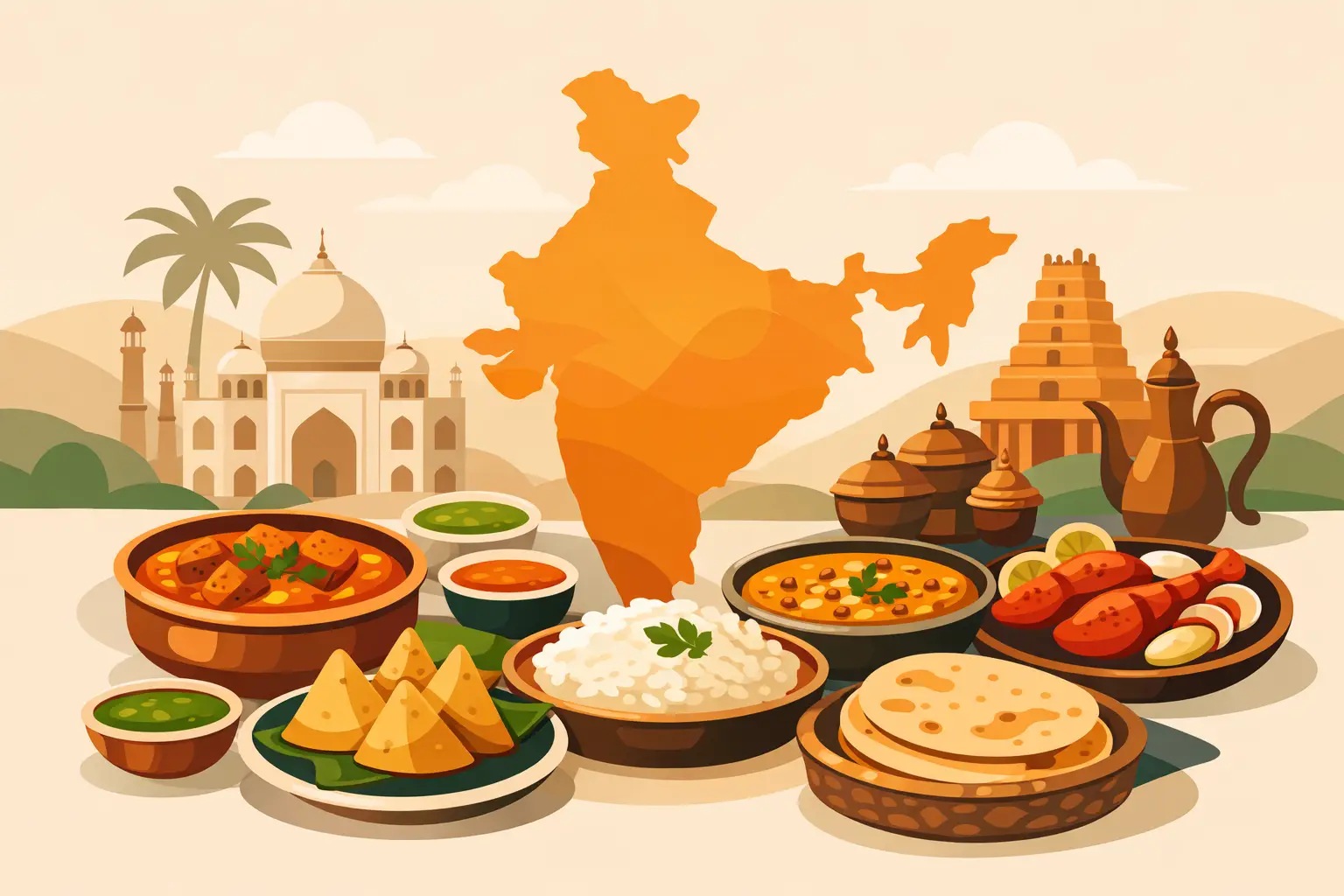
You do not need to know every regional dish in India to order well. A good authentic Indian cuisine guide should make the menu feel clear, welcoming and easy to enjoy, whether you are planning a family dinner, picking up takeaway after work, or ordering for a larger group with different tastes.
Indian food is often described in broad terms, but the real appeal is in balance. It is not simply about heat, and it is not one style of cooking. What many people know and love from a dependable local Indian restaurant comes from classic methods – slow-cooked curries, marinated meats from the tandoor, fragrant rice dishes, freshly baked breads and a wide choice of vegetarian meals that feel just as complete as any meat-based option.
What authentic Indian cuisine really means
Authenticity in Indian cooking is less about trying to make every dish dramatic and more about respecting the way it is prepared. That means building flavour properly, using spices with care, and giving dishes the time they need. A curry should taste layered rather than one-note. A biryani should carry aroma through the rice, not just rely on sauce spooned over the top. Tandoori dishes should have depth from yoghurt, spices and oven cooking, not only a bright colour.
There is also some flexibility in what authenticity looks like in practice. India is vast, and recipes vary by region, household and occasion. One cook’s dal may be thicker, another’s lighter. One butter chicken may be sweeter and creamier, while another brings more tomato and spice. That does not make one authentic and the other not. It simply reflects a cuisine shaped by tradition, locality and family cooking.
For most diners, the easiest sign of authentic Indian food is that it feels honest. The flavours are familiar for the right reasons. The ingredients taste fresh. The dishes are prepared with consistency, and the menu offers real range rather than a handful of token options.
An authentic Indian cuisine guide to the core dishes
If you are looking at a menu and wondering where to start, it helps to think in a few practical categories. Most Indian meals are built around curries, rice, bread and sides, with grilled dishes or entrees adding variety.
Curries
Curries are often the centre of the meal, but they differ widely in texture, richness and spice. Cream-based dishes such as korma tend to be milder and softer in flavour. Tomato-and-butter based favourites like butter chicken are smooth, comforting and popular with families because they offer warmth without too much chilli.
If you prefer deeper savoury notes, dishes such as rogan josh or beef vindaloo move in a bolder direction. Vindaloo is usually hotter, but heat should still sit alongside acidity, spice and slow-cooked flavour. A good curry is never hot for the sake of it.
Lentil dishes such as dal are worth more attention than they sometimes get. They are simple in appearance, yet when prepared properly they are among the most satisfying dishes on the table. They also work especially well when a group wants a balanced meal with both vegetarian and non-vegetarian choices.
Biryani
Biryani is not just rice with curry mixed through it. It is a complete dish with its own structure, where spiced rice, meat or vegetables, herbs and aromatics come together as one. The rice should stay separate and light, while carrying flavour throughout.
This makes biryani a strong choice for takeaway and group meals because it travels well and feels substantial on its own. It is also useful for diners who want something flavourful without choosing a separate bread-and-curry combination.
Tandoori dishes
Tandoori cooking brings a different character to the meal. Meats are marinated, usually in yoghurt and spices, then cooked at high heat for a lightly charred finish. The result is often smoky, savoury and less rich than a heavy curry.
For some diners, tandoori chicken or chicken tikka is the best place to begin with Indian food. You still get the classic spice profile, but in a cleaner, grilled style. It is also a practical option when one person wants a curry while another prefers something lighter.
Breads and rice
Fresh bread matters. Naan, roti and other oven-baked breads are not just extras. They help shape the meal, carrying sauces and adding texture. A soft garlic naan with a rich curry is a familiar pairing for good reason, while plain naan or roti can be the better choice if you want the curry itself to lead.
Rice does a different job. Steamed rice keeps the meal simple and balanced, especially with saucier curries. Jeera rice or saffron rice can add another layer of flavour, though it depends on the rest of the order. If the curry is already rich, plain rice may be the better match.
Choosing dishes for your spice preference
One of the biggest misunderstandings about Indian food is that every dish is very hot. In reality, spice level is only one part of the experience. Many dishes are aromatic, creamy or gently warming rather than fiery.
If you are unsure, start by deciding whether you want mild, medium or hot, then think about the style of flavour you enjoy. Mild does not mean bland, and hot does not always mean more flavour. A milder curry can show off nuts, cream, tomato or fenugreek more clearly. A hotter dish may bring stronger chilli and tang, which some diners love and others find overpowering.
For families and mixed groups, it often works best to order a range rather than keep everything at one level. One mild curry, one medium option, a rice dish, bread and a vegetarian side can suit the table better than four similar mains.
Vegetarian dishes are central, not secondary
A proper authentic Indian cuisine guide should make this clear: vegetarian food is at the heart of Indian cooking. It is not an afterthought for the one person at the table who does not eat meat.
Paneer dishes bring richness and texture, while vegetable curries can be as comforting and full-flavoured as any meat dish. Chana masala, aloo gobi and dal all show how spices and slow cooking create depth without relying on meat. Vegan diners also often have strong options, as many dishes are naturally plant-based or can be prepared accordingly.
This is one reason Indian food works so well for group dining. Families, friends and work colleagues can order across the menu without anyone feeling limited. At Indian Brothers, this broad choice is part of what makes a shared meal easy to plan.
How to order a balanced Indian meal
The best Indian meals are usually built with a bit of variety. Ordering only rich curries can make the table feel heavy, while ordering only grilled dishes can leave the meal feeling incomplete. Balance comes from combining textures and styles.
For two people, that might mean one curry, one tandoori dish, rice and naan. For a family, two or three mains with different bases, one vegetable dish, rice and breads usually gives everyone enough choice. For larger gatherings, biryani is especially useful because it adds a complete dish to the spread without needing much support.
Takeaway orders benefit from the same thinking. Choose dishes that reheat or travel well, avoid over-ordering very similar sauces, and include something mild if children are eating too. If you are catering for an event, it helps to include familiar favourites alongside one or two bolder dishes so guests can choose with confidence.
Why consistency matters as much as tradition
Authenticity is important, but so is reliability. Most people are not looking for a one-off food adventure on a Tuesday evening. They want to know that the curry they enjoyed last time will be just as satisfying again, that the naan will arrive fresh, and that the whole meal will suit a relaxed dinner at home as well as a night out with family.
That is where a long-established restaurant earns trust. Traditional methods matter, but so does dependable preparation, clear service and a menu that works for real life – dine-in meals, takeaway, online ordering and larger catering occasions alike.
Indian food is at its best when it feels generous, familiar and properly made. If you approach the menu with that in mind, you do not need to overthink your order. Start with a curry or biryani that suits your taste, add bread or rice for balance, include a vegetarian dish if you are sharing, and let comfort lead the way.