
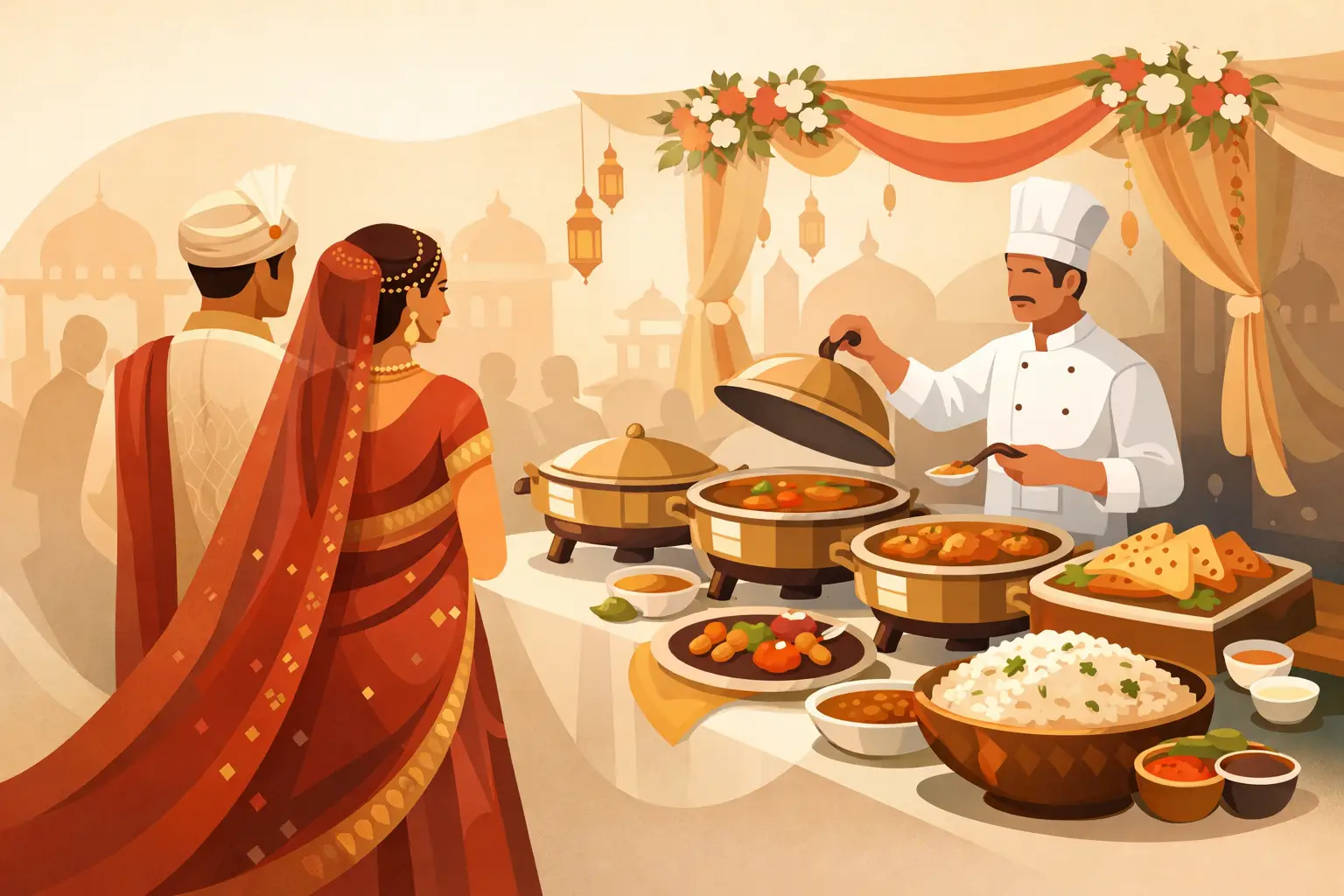
A wedding menu has a big job to do. It needs to feed a mixed crowd, suit different ages and dietary needs, arrive on time, and still feel special when the room is full and the schedule is moving quickly. That is exactly why Indian catering for weddings continues to be such a strong choice – it offers variety, warmth, and the kind of food people genuinely look forward to eating.
For many couples, the appeal is simple. Indian food is generous, familiar to many guests, and flexible enough to suit a formal reception, a relaxed family celebration, or a large community event. When it is prepared properly, it brings people together without making the planning harder than it needs to be.
Why Indian catering for weddings works so well
Wedding food has to please more than the couple. It has to work for grandparents, children, friends with vegetarian diets, guests who want something mild, and those hoping for fuller spice and richer flavour. Indian catering is well suited to that balance because the menu naturally includes a broad mix of vegetarian, vegan, and non-vegetarian dishes.
A good wedding spread can include slow-cooked curries, fragrant biryanis, tandoori meats, vegetable dishes, rice, naan, and fresh sides that give guests real choice. That variety matters. It means one catering style can cover a lot of preferences without making the meal feel pieced together.
There is also a practical side. Many Indian dishes hold their quality well during service when they are cooked and transported properly. That makes them a reliable option for buffet-style receptions, shared service, and larger guest numbers. Some foods are less forgiving once they leave the kitchen. Curries, rice dishes, and breads prepared by an experienced team tend to travel and serve more consistently.
Choosing the right menu for your wedding
The best wedding menu is not always the biggest one. It is the one that suits your guests, venue, and service style.
If you are planning a daytime event, lighter options often work better. Tandoori chicken, vegetable samosas, paneer dishes, pulao rice, and fresh breads can feel substantial without being too heavy. For evening receptions, guests usually expect a fuller meal. That is where richer curries, biryani, lentil dishes, mixed platters, and a broader selection of sides can make more sense.
Spice level is worth thinking about early. Couples sometimes feel they need to choose either very traditional heat or very mild dishes for everyone. In reality, a balanced menu is usually better. A few mild favourites, a few medium-spiced dishes, and one or two options with more warmth often keep the widest range of guests happy.
You should also think about how the menu will feel as a whole. If every dish is rich and creamy, the meal can become heavy. If everything is dry or grilled, it may not feel complete. A good caterer will help create balance across textures and flavours – perhaps one tomato-based curry, one creamier dish, a lentil option, a dry tandoori item, rice, bread, and something fresh on the side.
Catering for different dietary needs without making it complicated
One reason couples often choose Indian food for weddings is that dietary variety is already built into the cuisine. Vegetarian guests are not left with an afterthought, and vegan dishes can be included naturally rather than as a separate special request.
This matters more than many people expect. Weddings bring together circles of family and friends who do not all eat the same way. Having clear, satisfying options for everyone helps the day run more smoothly and makes guests feel considered.
That does not mean every menu needs to cover every possible preference in equal numbers. It depends on your guest list. A wedding with many vegetarian guests may need a menu led by vegetable curries, dhal, rice dishes, and breads, with a smaller non-vegetarian selection. Another event may be centred on tandoori chicken, lamb curry, and biryani, with strong vegetarian support alongside. The point is to match the food to the people attending rather than working from a fixed formula.
Buffet, shared service, or plated food?
Service style affects the whole feel of the reception. For many weddings, buffet service is the most practical choice. It allows guests to choose what they like, makes dietary preferences easier to manage, and usually suits Indian food very well. It can also be more efficient for larger groups.
Shared banquet-style service can create a warm, family atmosphere, especially when guests are seated in groups who know each other well. Large bowls and platters on the table encourage conversation and make the meal feel generous. The trade-off is that it needs enough table space and a guest group comfortable with shared dining.
Plated service can work for more formal weddings, but it needs careful planning. Indian food can absolutely be presented in a refined and orderly way, though not every dish is equally suited to this format. If you want plated service, it helps to choose dishes that portion cleanly and hold their presentation during service.
A dependable caterer will be honest about what works best for your venue and guest numbers. That honesty matters. Not every service style suits every wedding, even if it looks good on paper.
How much food should you order?
This is where experience counts. Under-ordering creates stress very quickly, while over-ordering can leave you paying for more than your event really needs.
Portion planning depends on the length of the event, the time of day, whether canapés or starters are being served, and how many guests are likely to return for seconds. A wedding with a full afternoon programme and evening reception needs a different catering plan from a shorter lunchtime gathering.
Guest mix matters too. If many guests are travelling in, arriving hungry, or staying for a long celebration, they will often eat more. If dessert, drinks, and other courses are substantial, the main meal may not need to be as large. An experienced wedding caterer should ask these questions rather than simply pricing by headcount alone.
What to ask before you book Indian catering for weddings
Reliability is just as important as flavour. Before booking, ask how the food is prepared, how it will be transported, how service is managed on the day, and whether the team has handled weddings of a similar size before.
It is also worth asking how flexible the menu is. Some couples know exactly what they want. Others need guidance based on guest numbers, dietary needs, and budget. A good caterer should be able to do both.
Communication is often the clearest sign of what the experience will be like. If answers are slow, vague, or inconsistent during planning, that can be a warning. Wedding catering needs clear timelines, accurate numbers, and confidence that the team will deliver what has been agreed.
For Queensland couples planning a celebration with authentic flavours and straightforward service, working with an established local team can make all the difference. A business such as Indian Brothers brings the advantage of experience, familiar crowd-pleasing dishes, and the kind of dependable hospitality that matters on a busy wedding day.
Balancing budget and quality
Every couple has a budget, and catering is often one of the biggest parts of it. The goal is not to choose the cheapest option. It is to choose the best value for the experience you want to give your guests.
A smaller menu done properly is usually better than a huge menu that stretches quality. Guests remember whether the food was hot, fresh, and full of flavour. They are less concerned with how many separate curry trays were on offer.
There are sensible ways to manage cost without making the meal feel limited. Choosing a balanced menu with a few well-loved mains, generous rice and bread service, and strong vegetarian options can often serve guests better than an oversized selection. Seasonal demand, venue access, staffing, and travel distance can also affect pricing, so it helps to discuss the practical details early.
The details guests remember
People may not recall every flower arrangement or chair cover, but they do remember whether the meal felt welcoming. Good wedding catering has a rhythm to it. Food is ready when guests are ready, portions are generous without being wasteful, and everyone can find something they are pleased to eat.
That is why dependable Indian wedding catering is about more than a menu. It is about preparation, timing, and understanding how to feed a room full of people with care. When the food is honest, well-made, and served properly, it becomes one of the easiest parts of the day for guests to enjoy.
If you are planning your wedding meal, aim for food that feels generous, familiar, and thoughtfully chosen. The best choice is usually the one that lets your guests settle in, eat well, and feel looked after from the first serving to the last.